


Implementing the Environmental Rehabilitation Plan is a pivotal step to ensure that facilities and companies in Saudi Arabia comply with modern environmental regulations and legislation, protecting natural resources from any degradation or pollution that may affect business sustainability and quality of life. With the development of the Executive Regulation for Environmental Rehabilitation of Degraded Sites and Remediation of Polluted Sites, it has become necessary for every facility to adopt a clear plan reflecting its compliance with the requirements of the Environmental Record and environmental inspection system regulations, including obtaining a Category 1 Environmental Permit when needed.
In this context, the role of specialized consulting offices stands out, such as the accredited Sustainable Resources Office for Environmental Consulting, which provides the service of implementing the environmental rehabilitation plan for companies and preparing a declaration form stating the absence of degraded or polluted sites at the activity location. This makes it easier for facilities to achieve compliance and avoid violations, as working with experts who possess deep knowledge of Saudi regulations saves companies time and effort, ensuring their operations run within the highest standards of sustainability.
Contact us now for a free consultation from the Sustainable Resources Office for Environmental Consulting, accredited in Saudi Arabia, or call us at +966590721313. The Sustainable Resources Office for Environmental Consulting is accredited by the National Center for Environmental Compliance (NCEC), the Ministry of Human Resources and Social Development, and the Ministry of Commerce to provide specialized services in environmental fields.
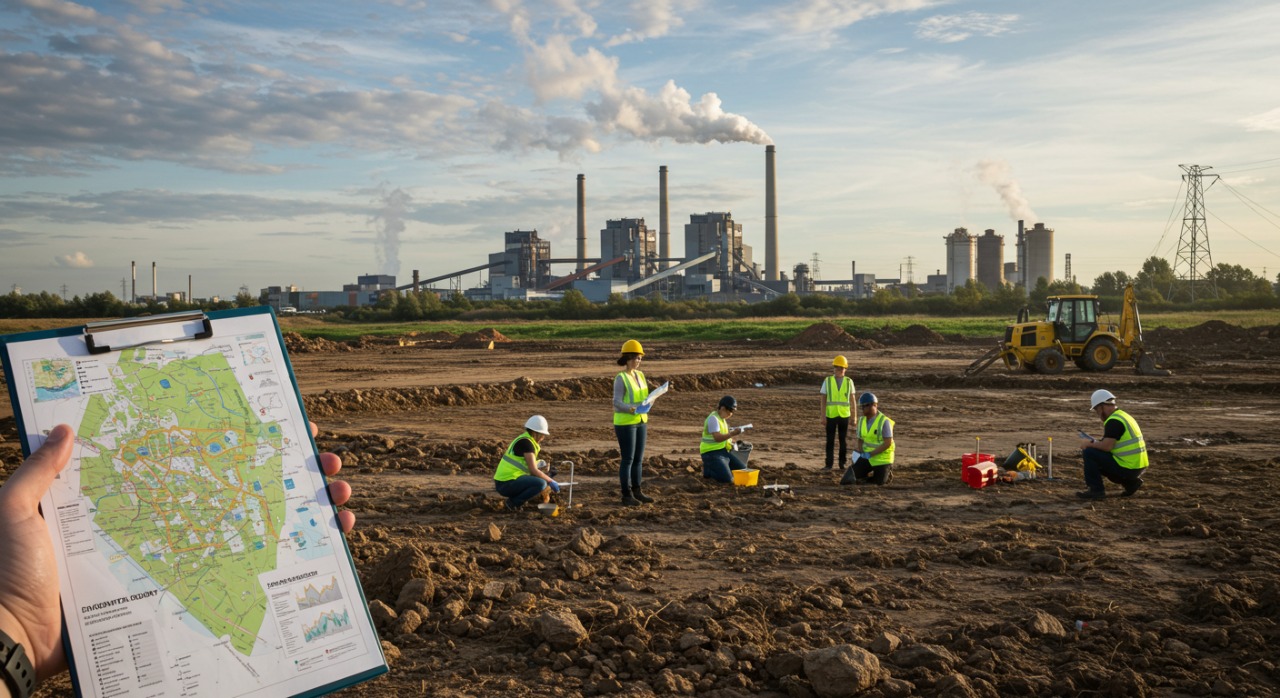
What is the meaning of implementing an environmental rehabilitation plan and its importance for sustainability?
Environmental rehabilitation means restoring degraded environmental elements – such as soil, water, and vegetation cover – to their natural or near-natural state. Its importance lies in promoting sustainability and ensuring that ecosystems remain capable of supporting human activity without causing long-term damage.
In Saudi Arabia, implementing the environmental rehabilitation plan has become one of the basic conditions for the continuity of facilities, especially when dealing with high-impact environmental activities that require a Category 1 Environmental Permit. Furthermore, the approval of a polluted site remediation plan and the attachment of a declaration form stating the absence of degraded or polluted sites at the activity location represent evidence of genuine commitment to regulatory authorities.
What is environmental rehabilitation and why do companies in Saudi Arabia need it?
Environmental rehabilitation is a set of procedures aimed at addressing the environmental impact resulting from industrial and commercial activities, ensuring resource sustainability and protecting public health. Companies in Saudi Arabia need an Environmental Impact Assessment (EIA) study in line with the Executive Regulation for Environmental Rehabilitation of Degraded Sites and Remediation of Polluted Sites, which mandates facilities to prepare clear plans for dealing with any degraded or polluted site.
Implementing the environmental rehabilitation plan is a necessity to achieve compliance with regulations, ensuring facility readiness when undergoing the environmental inspection system, in addition to documenting compliance through the accredited Environmental Record.
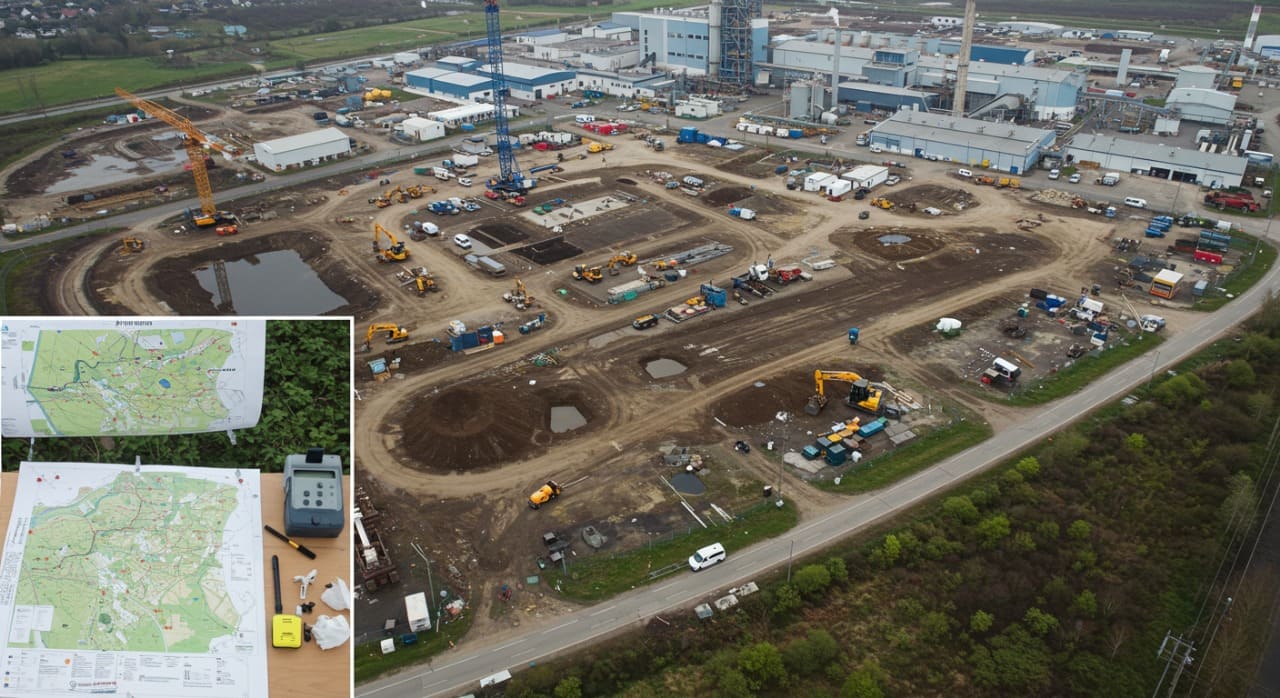
Environmental challenges facing industrial and commercial facilities in implementing the environmental rehabilitation plan
Companies in Saudi Arabia face a set of environmental challenges that may affect their business continuity and expose them to accountability under the environmental inspection system. The most prominent challenges include:
- Soil and groundwater pollution resulting from improper industrial practices.
- Harmful air emissions from factories and production activities.
- General environmental degradation due to resource depletion and lack of sustainability practices.
- Risks of non-compliance with the Executive Regulation for Environmental Rehabilitation of Degraded Sites and Remediation of Polluted Sites.
- Weak documentation and environmental follow-up in the absence of commitment to updating the Environmental Record.
Hence the importance of implementing the environmental rehabilitation plan as a practical step to reduce risks, avoid fines, and ensure facilities adhere to modern environmental standards that enhance trust with government agencies and investors.
Steps for implementing the environmental rehabilitation plan for degraded sites
The process of preparing and implementing the environmental rehabilitation plan goes through several essential steps that ensure full compliance with Saudi regulations and reflect the facilities’ commitment to sustainability, including:
- Environmental assessment of the site through field studies and precise technical analyses.
- Accurately identifying sources of pollution or degradation to estimate the level of environmental impact.
- Preparing an Environmental Management Plan (EMP) which includes practical solutions such as isolating pollutants or restoring vegetation cover.
- Implementing the environmental rehabilitation plan according to approved Saudi regulations and requirements.
- Submitting a declaration form stating the absence of degraded or polluted sites at the activity location if no pollution is detected.
- Documenting all procedures in the Environmental Record and following them up periodically to ensure alignment with the environmental inspection system requirements.
How does the Sustainable Resources Office help you?
The Sustainable Resources Office provides integrated solutions for companies seeking to comply with environmental regulations in Saudi Arabia by implementing environmental rehabilitation plans with high efficiency. This includes preparing environmental studies, arranging remediation plans for polluted sites, and issuing a declaration form stating the absence of degraded or polluted sites at the activity location when needed. The office also provides support in arranging the Environmental Record and ensuring compliance with Category 1 Environmental Permit requirements for high-impact activities, in addition to qualification for obtaining a waste management permit according to regulatory requirements. Thanks to its extensive consulting experience, the office makes it easier for facilities to overcome environmental challenges and enhances their chances of continuity and success without facing violations or delays resulting from the environmental inspection system.
Frequently Asked Questions about Implementing the Environmental Rehabilitation Plan
What does a rehabilitation plan look like?
How to prepare a rehabilitation plan?
What is ecosystem rehabilitation?
What is environmental rehabilitation?
What is the meaning of environmental rehabilitation?
What are the goals of rehabilitation?
Protect natural resources.
Reduce the effects of pollution on public health.
Support the sustainability of industrial and commercial projects.
Ensure compliance with the Executive Regulation for Environmental Rehabilitation.
Provide a safe and viable environment for future generations.
What are the steps of rehabilitation?
Assessing the current environmental status of the site.
Identifying sources of pollution and degradation.
Preparing a polluted site remediation plan according to formal requirements.
Implementing the environmental rehabilitation plan in cooperation with specialized consulting entities.
Submitting regulatory documents such as the declaration form stating the absence of degraded or polluted sites when needed.
Following up on implementation and environmental inspection to ensure continuity.
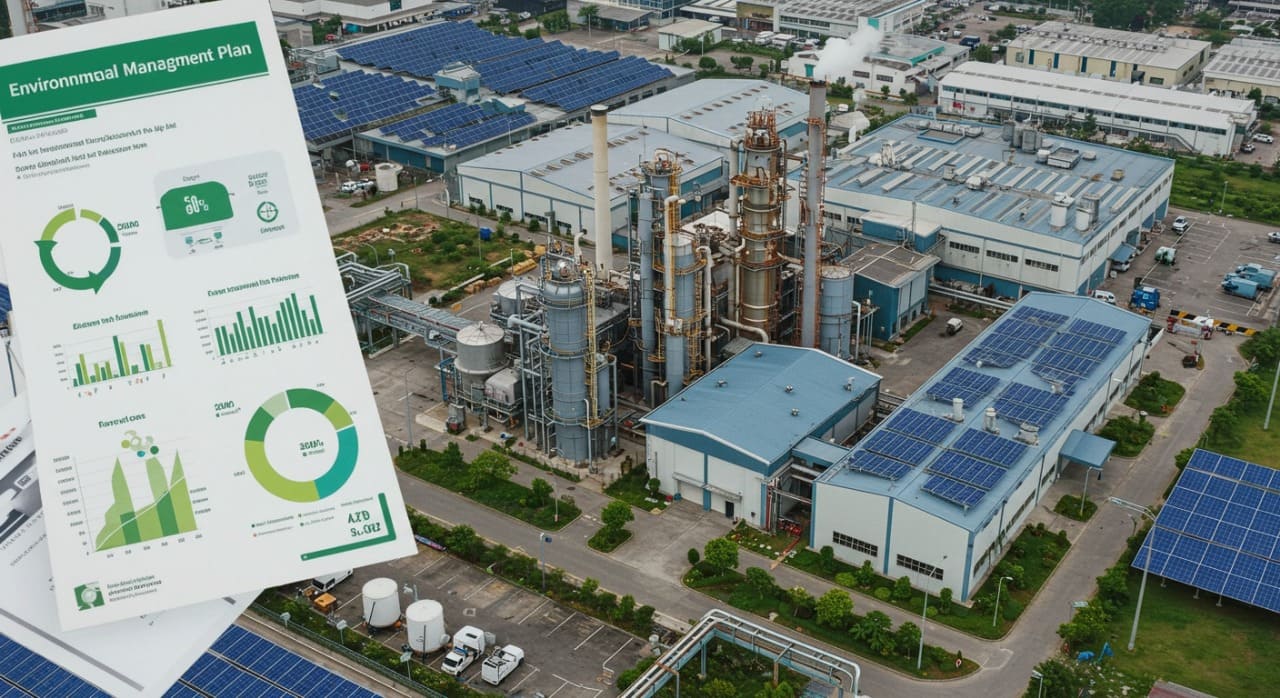
For more services provided by the Sustainable Resources Office:
Rehabilitation Plan for Degraded Sites
Construction Environmental Management Plan
Operational Environmental Management Plan
Preparation of Environmental Record for Facilities