


Environmental Impact Assessment study (EIA) is the first essential step for any project seeking to comply with environmental regulations and achieve sustainable development without negatively affecting the surrounding environment. This study aims to analyze and understand the potential impacts of projects on various environmental elements, such as air, water, soil, and biodiversity, before actual implementation begins.
In light of the tightening environmental regulations approved by the National Center for Environmental Compliance (NCEC), preparing an Environmental Impact Assessment study has become not only a legal requirement for obtaining an environmental permit but also a strategic tool to reduce risks and avoid environmental violations that could lead to fines or activity suspension.
We provide you with a high-professional Environmental Impact Assessment study service in accordance with the new Environmental Law regulations, through a certified team of environmental consultants, with the highest possible quality and at competitive prices, to ensure you obtain official approvals quickly and smoothly, and start your project with confidence and stability.
Contact us now for a free consultation from the Sustainable Resources Office for Environmental Consulting, accredited in Saudi Arabia, or call us at +966590721313.

What is an Environmental Impact Assessment Study (EIA)?
An Environmental Impact Assessment study is a basic step for any industrial or development project that is likely to have an impact on the surrounding environment. It aims to analyze and evaluate potential environmental impacts before project implementation, while establishing appropriate preventive measures to limit damage and ensure environmental compliance, especially according to the requirements of the National Center for Environmental Compliance (NCEC). The study includes an analysis of air quality, water, soil, noise, biodiversity, and the project’s impact on the local community.
Major projects, such as factories, require the preparation of a project environmental impact assessment model to obtain a Category 1 environmental permit. This study is essential to avoid violations and ensure compatibility with the new environmental system and its executive regulations. On our platform, we provide you with a high-professional EIA study preparation service at a competitive price, ensuring facilitated procedures and accelerated official approvals.
Environmental Impact Assessment Study and its Importance for Projects
An Environmental Impact Assessment study is considered one of the most important prerequisites before implementing any industrial or development project. it helps in early detection of potential environmental impacts and determining the extent of project compatibility with the new environmental law and NCEC regulations.
The study is a fundamental step in the environmental protection and sustainability process, especially when preparing an EIA for a plastic factory or any facility requiring a Category 1 environmental permit. The importance of this type of study lies in several aspects as follows:
- Protecting natural resources from degradation resulting from industrial or development activities.
- Reducing negative environmental impacts before they occur through preventive measures.
- Improving the project’s image before government agencies and the public, enhancing environmental commitment.
- Ensuring the fulfillment of National Center for Environmental Compliance requirements to obtain permits quickly.
- Increasing project efficiency by identifying potential environmental risks and dealing with them effectively.
- Supporting decision-making by providing reliable environmental data to regulatory authorities.
- Promoting the principles of environmental and social sustainability for development projects.
- Contributing to achieving national development goals and reducing environmental violations.
Steps for Preparing an Environmental Impact Assessment Study
An EIA study for a factory, for example, is an indispensable regulatory and scientific step before proceeding with any industrial or development project. it contributes to environmental protection and reducing potential damage to natural and human resources. This study is required for many projects according to their environmental classification by the NCEC, especially to obtain a Category 1 environmental permit.
For the study to be accredited and integrated, a set of methodological steps must be followed, the most prominent of which are as follows:
- Defining the project scope (type, location, area, resources).
- Characterizing the surrounding environment (air, water, soil, organisms, population).
- Analyzing potential environmental impacts.
- Proposing implementation alternatives with lower impact.
- Preparing an Environmental Management Plan (EMP).
- Conducting public consultation with the community and stakeholders.
- Preparing the final EIA study report.
- Submitting the report for approval to the National Center for Environmental Compliance.
Who are the Authorities Concerned with Approving EIA in Saudi Arabia?
When preparing an Environmental Impact Assessment study for development projects in the Kingdom of Saudi Arabia, it must be approved by the competent authorities before project implementation begins. Authorities vary based on the nature and location of the project, but there are key institutions involved in reviewing and approving these studies. Below are the most prominent entities concerned with EIA approval:
- National Center for Environmental Compliance (NCEC)
- Ministry of Environment, Water and Agriculture
- Ministry of Municipal and Rural Affairs and Housing
- Ministry of Industry and Mineral Resources
- Ministry of Energy
- Royal Commission for industrial cities (MODON, Jubail and Yanbu)
- Ministry of Transport and Logistic Services
- Ministry of Tourism (for tourism projects)
- Ministry of Health (for health facilities)
- General Authority for Military Industries (for projects of a security or military nature)
- Saudi Business Center (to unify procedures and facilitate environmental approvals within general permits)
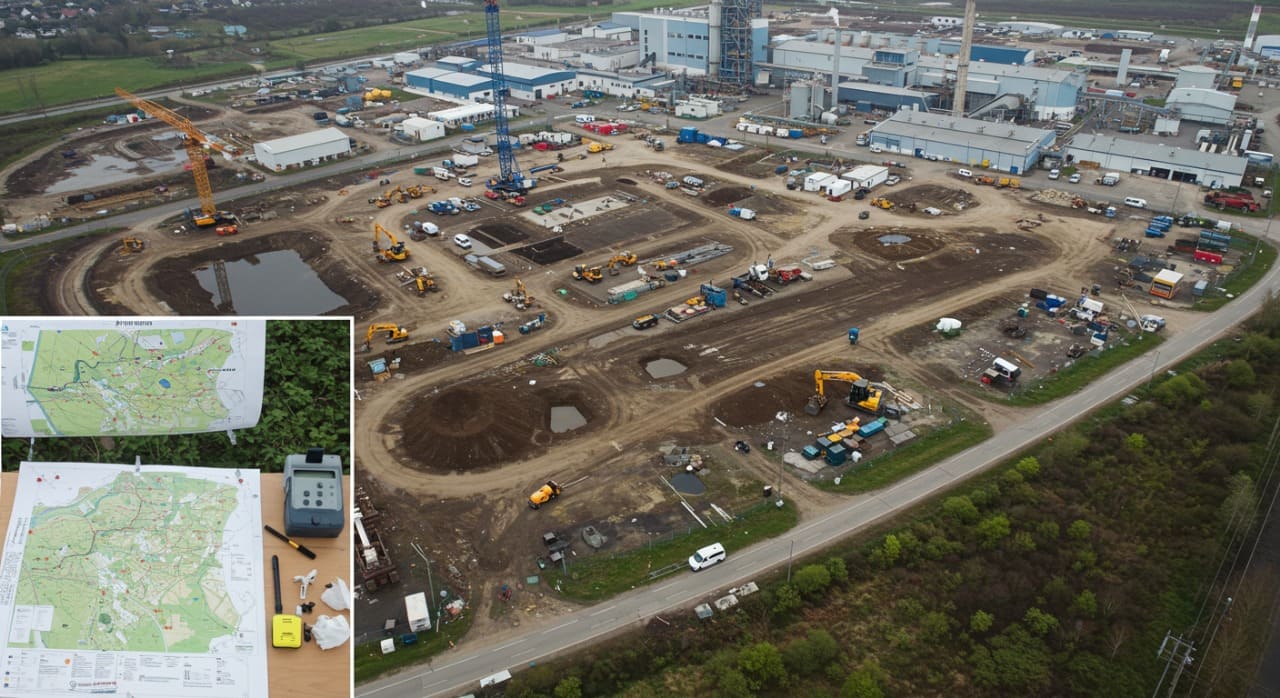
What is the Difference Between Environmental Impact Assessment study (EIA) and Environmental Effect Assessment?
The difference between Environmental Impact Assessment study (EIA) and Environmental Effect Assessment lies mainly in linguistic phrasing rather than concept or function. Both terms are used to refer to the same environmental process that aims to analyze and evaluate the potential impacts of any project or activity on the natural, social, and economic environment before implementation, with the goal of limiting negative effects and enhancing positive aspects.
However, the term Environmental Impact Assessment study (EIA) is the most common and accredited expression in environmental regulations, especially in Saudi Arabia, where it is adopted by official bodies such as the National Center for Environmental Compliance. As for “Environmental Effect Assessment,” it is merely an alternative linguistic translation sometimes used in some texts or literature but is less officially common.
Relationship Between Periodic Environmental Reporting and EIA
The process of preparing periodic environmental reports is an essential and effective complementary element to EIA, as the full feasibility of environmental assessment is not achieved without a regular mechanism to measure the actual environmental performance of the project after its operation begins. While EIA is implemented during early stages to predict potential impacts, periodic environmental reporting becomes important at a later stage, where it is used as a tool to monitor actual commitment to implementing the Operational Environmental Management Plan (OEMP) and ensuring corrective actions are applied timely after working on the Construction Environmental Management Plan (CEMP).
According to NCEC regulations and the new environmental law, preparing periodic environmental reports is a prerequisite for maintaining Category 1 and other related permits, in addition to being a relied-upon reference to verify the facility’s adherence to accredited environmental measures.
One of the basic environmental compliance requirements is also preparing the Environmental Record for Facilities, which serves as a documented operational reference contributing to facilitating periodic report preparation and reflecting transparency in the facility’s environmental performance.
Thus, the relationship between EIA and periodic reports, as well as the environmental record, forms an integrated regulatory framework that enhances project sustainability and achieves the desired balance between development and environment.
Questions Asked by Others about EIA Study
What is the EIA study summary?
The EIA study summary is a concise document that serves as a main part of the EIA report, presenting briefly and clearly the most important study results and outputs. This summary aims to highlight the project’s potential environmental impacts and proposed measures to avoid or reduce these effects, without delving into complex technical details.
What is an environmental impact study?
An environmental impact study is a scientific and systematic process aimed at analyzing and evaluating the potential impacts a specific project or activity may cause on the surrounding environment, whether direct or indirect, temporary or permanent, positive or negative.
This study is a key tool within environmental planning tools and is used to ensure that projects are implemented in a way that considers environmental safety and natural resources, with full compliance with regulations such as the new environmental law and NCEC requirements in Saudi Arabia.
What is the EIA law?
The EIA law is the legislative and regulatory framework that mandates project developers or owners to conduct an EIA study before implementing any activity that would impact the environment. This law aims to protect natural resources, ensure development sustainability, and reduce negative environmental impacts resulting from industrial, urban, or service projects.
What are the conditions for ecosystem balance?
Ecosystem balance conditions are vital foundations that ensure life continuity and natural resource sustainability. The ecosystem, with its living and non-living components, operates in delicate harmony based on a set of conditions that, if disturbed, endanger environmental balance. Here is a list of the most prominent conditions:
Biodiversity
Climate stability
Cycle of materials and elements (such as carbon, nitrogen, and water)
Balance between predators and prey
Absence or reduction of pollution levels
Presence of sufficient vegetation cover
Balance of ecological relations (such as symbiosis, competition, and predation)
Sustainable exploitation of natural resources
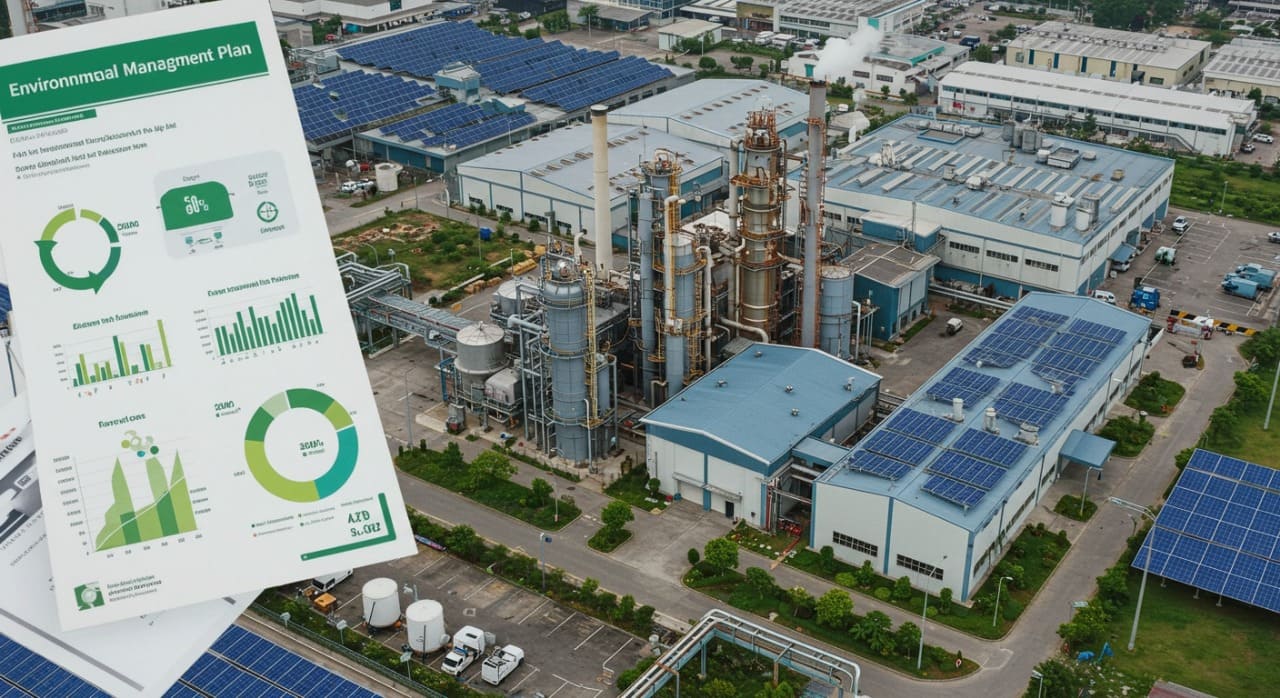
What is the EIA Cycle?
Environmental Impact Assessment (EIA) cycle is a systematic process aimed at identifying and evaluating the potential environmental impacts of a project before its implementation.
What are the results of continuous EIA operations?
Continuous EIA operations lead to a group of positive and important results on both environmental and development levels, including:
- Achieving sustainable development by balancing economic growth with environmental protection.
- Limiting environmental pollution resulting from industrial and development activities.
- Improving the quality of life for residents by providing a healthy and safe environment.
- Reducing environmental risks and disasters resulting from negligence or poor planning.
- Enhancing compliance with environmental regulations and legislation such as NCEC regulations.
- Enabling competent authorities to make better decisions regarding development projects based on scientific information.
- Increasing environmental awareness among project owners and the local community.
- Encouraging responsible investment by building trust between investors and government agencies.
Summary of EIA Study in Saudi Arabia
It is an intensive and concise document of the most important results and recommendations reached by the detailed EIA study of a specific project. This document aims to provide a quick and clear understanding of the project and its potential environmental impacts, in addition to the proposed procedures to mitigate negative effects.