


Construction Environmental Management Plan (CEMP) in Saudi Arabia is a pivotal step to ensure projects are implemented according to the highest standards of sustainability and to minimize negative environmental impacts. The Construction Environmental Management Plan relies on studied methodologies, including Environmental Impact Assessment (EIA) and the application of an environmental impact management and rehabilitation plan model, in alignment with the requirements of the National Center for Environmental Compliance (NCEC).
Contact us now for a free consultation to obtain a Construction Environmental Management Plan (CEMP) from the Sustainable Resources Office for Environmental Consulting, accredited in Saudi Arabia.
It aims to establish a clear framework for mitigating environmental impacts during the construction phase, integrating with subsequent operation and environmental remediation plans. These plans are fundamental bases to ensure compliance with environmental legislation in the Kingdom.
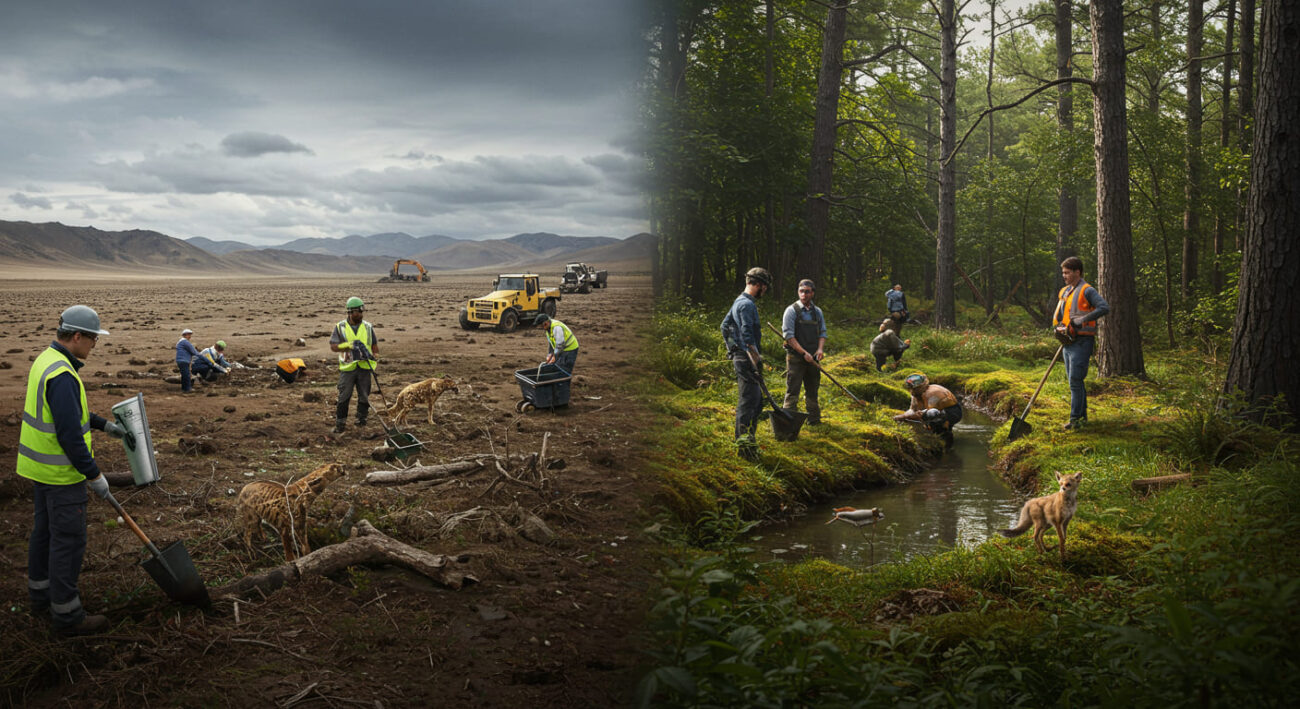
What is a Construction Environmental Management Plan?
A Construction Environmental Management Plan (CEMP) is a pivotal regulatory document aimed at identifying environmental procedures and measures necessary during the implementation phases of urban projects to limit negative impacts on the environment and ensure compliance with the National Center for Environmental Compliance regulations. The plan includes an Environmental Impact Assessment (EIA), environmental mitigation methods, monitoring and training programs, and contingency plans, in line with the CEMP and the Operational Environmental Management Plan (OEMP). This plan reflects the project’s commitment to environmental sustainability principles and following best environmental remediation practices according to responsible development requirements in the Kingdom.
What is an Environmental Management Plan?
The Construction Environmental Management Plan (CEMP) is one of the essential tools to ensure the implementation of urban projects according to the highest environmental sustainability standards, especially in the Kingdom of Saudi Arabia, which is witnessing a rapid construction boom under Vision 2030. This plan aims to organize and direct construction activities to minimize negative environmental impacts while complying with local and international environmental systems and legislation, such as the requirements of the National Center for Environmental Compliance (NCEC).
The Construction Environmental Management Plan is defined as a comprehensive executive document that is part of the outputs of the environmental impact management and degraded factories rehabilitation model. It contains a set of institutional, mitigation, and monitoring procedures aimed at controlling potential environmental impacts during the construction and operation phases of any project. this plan integrates with the elements of the Operational Environmental Management Plan (OEMP) and the general construction management plan to ensure comprehensive alignment with environmental remediation principles and sustainable building practices.
This plan also includes clear mechanisms for monitoring emissions, waste management, air and water pollution control, and handling environmental emergencies, alongside a precise follow-up plan prepared according to international standard ISO 14001.
Through the effective application of the Environmental Management Plan, the benefit is not limited to environmental protection; it extends to improving implementation efficiency, reducing costs resulting from environmental damage, and enhancing the reputation of companies and developers before regulatory authorities and the community.
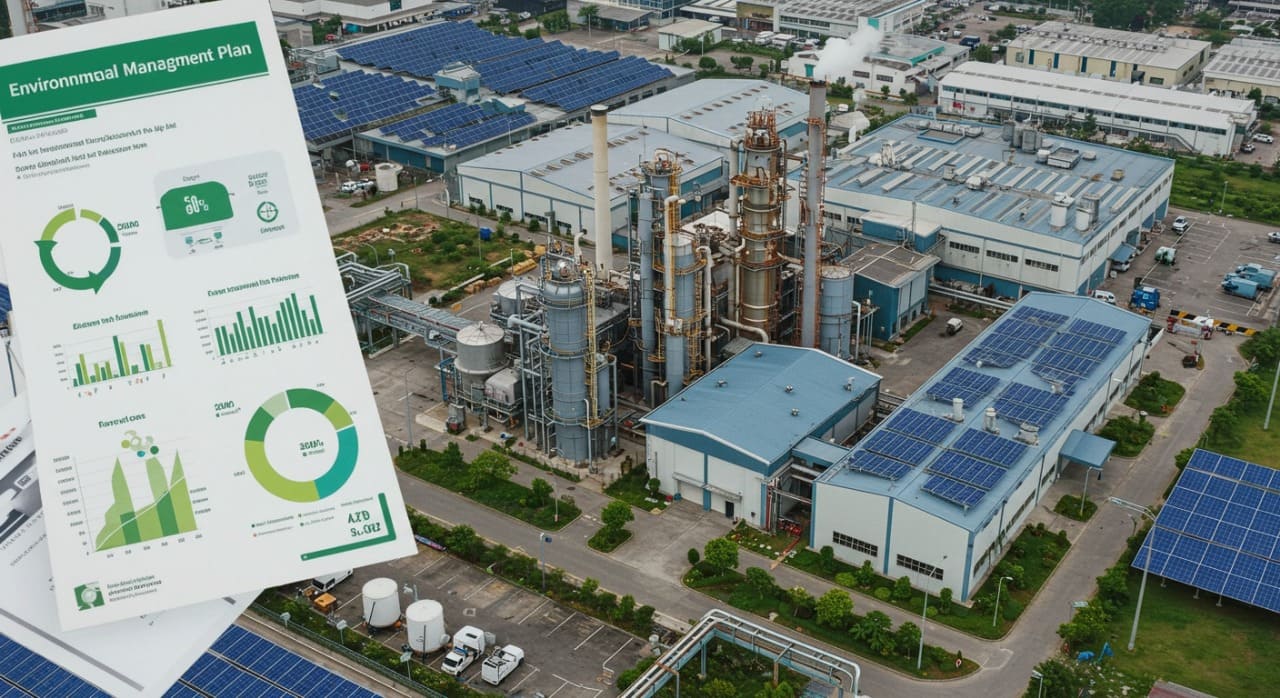
What does a Construction Environmental Management Plan include?
A Construction Environmental Management Plan (CEMP) is an essential tool to ensure urban projects are implemented considering the Construction Environmental Management Plan to mitigate environmental impacts and NCEC requirements, and includes the following elements:
Description of the project, its location, and surrounding environmental conditions before implementation.
Identifying and assessing the environmental impact resulting from different project activities.
Environmental mitigation procedures such as reducing dust, noise, water pollution, and waste.
An environmental emergency plan to handle accidents and spills immediately.
An environmental monitoring and surveillance program to continuously measure environmental performance indicators.
Environmental training and awareness programs for site workers to ensure compliance.
Defining roles and responsibilities to implement the Construction Environmental Management Plan effectively.
An environmental rehabilitation plan according to the best types of environmental remediation followed.
What are the Five Principles of a Construction Environmental Management Plan?
The five principles of environmental management serve as a guide in developing and implementing environmental policies and activities sustainably and effectively, as follows:
- Prevention is Better than Cure
- The Polluter Pays
- Sustainable Management of Resources
- Transparency and Public Participation
- Compliance and Continuous Improvement
Prevention is Better than Cure
It mandates avoiding pollution or environmental damage before it occurs rather than fixing it after it happens, through advance planning and using eco-friendly technologies.
The Polluter Pays
The entity causing environmental damage bears the cost of remediation or compensation, a principle important for promoting environmental compliance and holding polluters accountable.
Sustainable Management of Resources
Natural resources are used in a way that ensures their continuity for future generations while maintaining environmental balance and biodiversity.
Transparency and Public Participation
Promoting the participation of the community and stakeholders in environmental decisions and providing clear information about activities, risks, and environmental policies.
Compliance and Continuous Improvement
Commitment to local and international environmental legislation and standards, and striving for permanent improvement of environmental performance through continuous review and development.
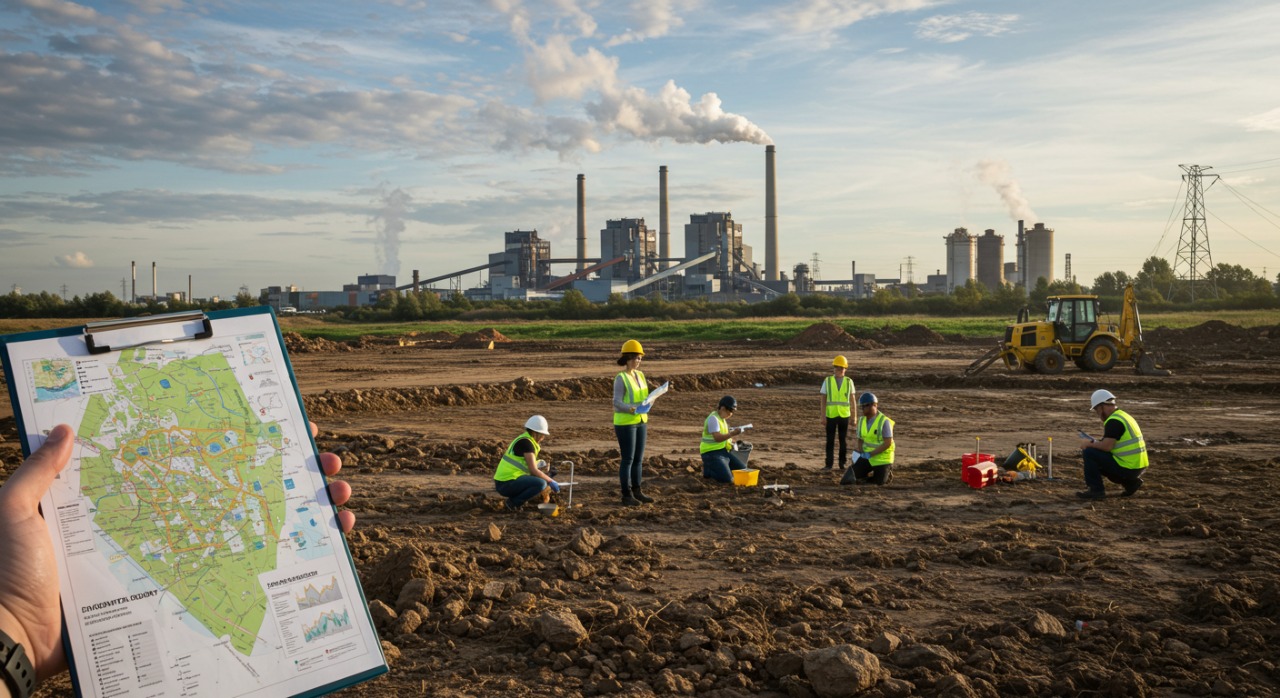
What is an example of a Construction Environmental Management Plan?
An Environmental Management Plan model consists of several main elements that define the mechanisms for implementing environmental controls during different project stages, ensuring compliance with local and international regulations and minimizing negative impacts. Below are the key components of the model:
Project Description: includes the nature of the project, its location, duration, and proposed works.
Baseline Environmental Status: an analysis of the surrounding environment before the project starts (air, soil, water, living organisms).
Environmental Impact Assessment: to identify activities that may cause environmental damage and estimate the risk level.
Mitigation Measures: necessary steps to reduce or eliminate negative environmental impacts.
Monitoring and Surveillance Plan: to clarify the mechanisms for regular monitoring of environmental indicators and assessing the project’s environmental performance.
Environmental Emergency Plan: studied protocols for dealing with unexpected environmental accidents (leaks, fires, spills…).
Training and Awareness: programs to raise workers’ awareness and train them on sound environmental practices.
Institutional Measures: including defining administrative responsibilities and teams overseeing the environmental plan implementation.
Key Environmental Indicators: including setting clear criteria for follow-up and evaluation (such as dust emission, noise levels, water quality).
How to Write a Construction Environmental Management Plan (CEMP)?
Writing an effective Construction Environmental Management Plan requires following a clear methodology based on local and international environmental standards, such as NCEC requirements and international standards ISO 14001. This process aims to reduce negative impacts and enhance sustainable construction practices, and is closely linked to the environmental impact management and rehabilitation plan model. Steps to prepare the plan include:
- Defining the project scope, nature, geographical location, and the implementation phase requiring the plan.
- Analyzing the existing environmental status at the project site (air, water, soil, biodiversity).
- Identifying and assessing potential environmental impacts resulting from construction or operational activities.
- Proposing environmental mitigation measures for each potential impact, such as noise reduction, dust emission, or water pollution control.
- Preparing an environmental monitoring and follow-up plan including environmental performance measurement indicators and determining inspection frequency.
- Identifying environmental emergency plans to handle accidents such as spills or fires.
- Defining institutional roles and responsibilities for all parties involved in the plan’s execution, including subcontractors.
- Designing environmental training and awareness programs for workers to raise environmental efficiency and commitment to the Operational Environmental Management Plan.
- Linking the plan to relevant environmental legislation and regulations, including the types of environmental remediation required for the site.
- Reviewing and approving the plan by competent authorities such as the NCEC or regulatory bodies to ensure compliance.
Contact us now for a free consultation.
What is the CAP (Corrective Action Plan) Model?
The CAP (Corrective Action Plan) model is a systematic framework used to plan and implement corrective actions necessary to address cases of pollution or environmental damage, whether in soil, water, air, or waste. This plan is often used in industrial or construction project sites where environmental problems were identified during the EIA or as a result of previous environmental monitoring. This model consists of the following:
- Identifying the environmental problem and the scope of pollution.
- Analyzing environmental and health risks.
- Defining corrective objectives and desired results.
- Reviewing technical options for pollution treatment.
- A plan for implementing corrective actions with a timeline.
- An environmental monitoring and follow-up plan post-implementation.
- Environmental performance indicators to measure success.
- An environmental emergency management plan associated with the treatment.
- Mechanisms for documentation and reporting to competent authorities.
- Allocation of responsibilities and parties implementing the procedures.
When is a CAP (Corrective Action Plan) Used?
- In cases of industrial pollution or chemical/petroleum spills.
- After environmental inspections that show non-compliance with sound practices.
- As part of a CEMP when previous pollution is discovered at the project site.
- In environmental rehabilitation projects for degraded areas.
In conclusion, the Construction Environmental Management Plan represents a fundamental pillar to ensure the implementation of urban projects in the Kingdom of Saudi Arabia within a framework of environmental compliance and sustainability. By applying this plan effectively, the negative environmental impacts of projects can be minimized, and compliance with national and international regulations and legislation can be achieved.
Sustainable Resources Office for Environmental Consulting is accredited by official bodies such as the National Center for Environmental Compliance (NCEC) and the Ministry of Municipal and Rural Affairs and Housing, in addition to Human Resources and Social Development, the Ministry of Commerce, as well as the Saudi Business Center as active partners in supporting and stimulating facilities’ commitment to correct environmental practices.
Building a CEMP is not limited to compliance only; it reflects a strategic awareness of the importance of integrating environmental considerations into sustainable development and is a vital step toward achieving the goals of Saudi Vision 2030 for a healthier society and a more balanced environment.