


Assessment of the Existing Environmental Status is the first and essential step for any organization seeking to achieve sustainability and compliance with local and international environmental standards. In a world witnessing a continuous increase in environmental challenges, it becomes necessary to understand the current environmental impact of projects and operations to develop effective plans for improvement and risk reduction.
At the accredited Sustainable Resources Office for Environmental Consulting in Saudi Arabia, we provide professionalAssessment of the Existing Environmental Status services. We help organizations from various sectors accurately analyze their environmental data, enabling them to make informed decisions that support sustainable development and preserve natural resources.
Contact us now for a free consultation or call us at +966590721313. The Sustainable Resources Office for Environmental Consulting is accredited by the National Center for Environmental Compliance (NCEC), the Ministry of Human Resources and Social Development, and the Ministry of Commerce to provide specialized services in environmental fields.
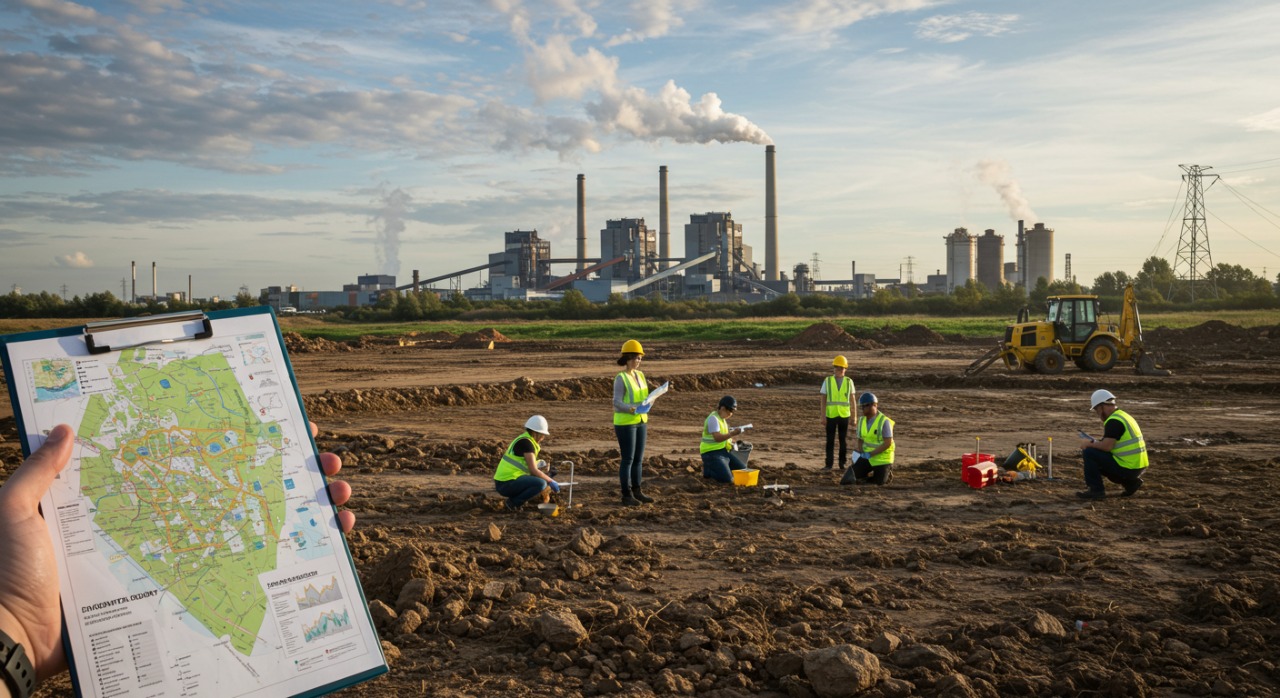
What is the Assessment of the Existing Environmental Status?
Assessment of the Existing Environmental Status is the process of analyzing and studying the current state of the environment in a specific area, aiming to understand the environmental condition in terms of air quality, water, soil, biodiversity, and land use. This assessment is used as a basis for determining the potential impacts of any new project or activity on the environment and helps in establishing appropriate environmental management plans to preserve natural resources and reduce environmental risks.
What is Environmental Risk Assessment?
Environmental risk assessment is a vital part of the Assessment of the Existing Environmental Status process. it aims to identify and analyze potential risks that may affect the environment as a result of project activities or various operations. This assessment includes an Environmental Impact Assessment (EIA) study, where potential negative impacts on air, water, soil, and wildlife, as well as human health, are examined.
Based on the results of the risk assessment, an Operational Environmental Management Plan (OEMP) is established, containing procedures and strategies to mitigate and control these risks, helping organizations comply with environmental standards and ensure effectively sustainable operations.
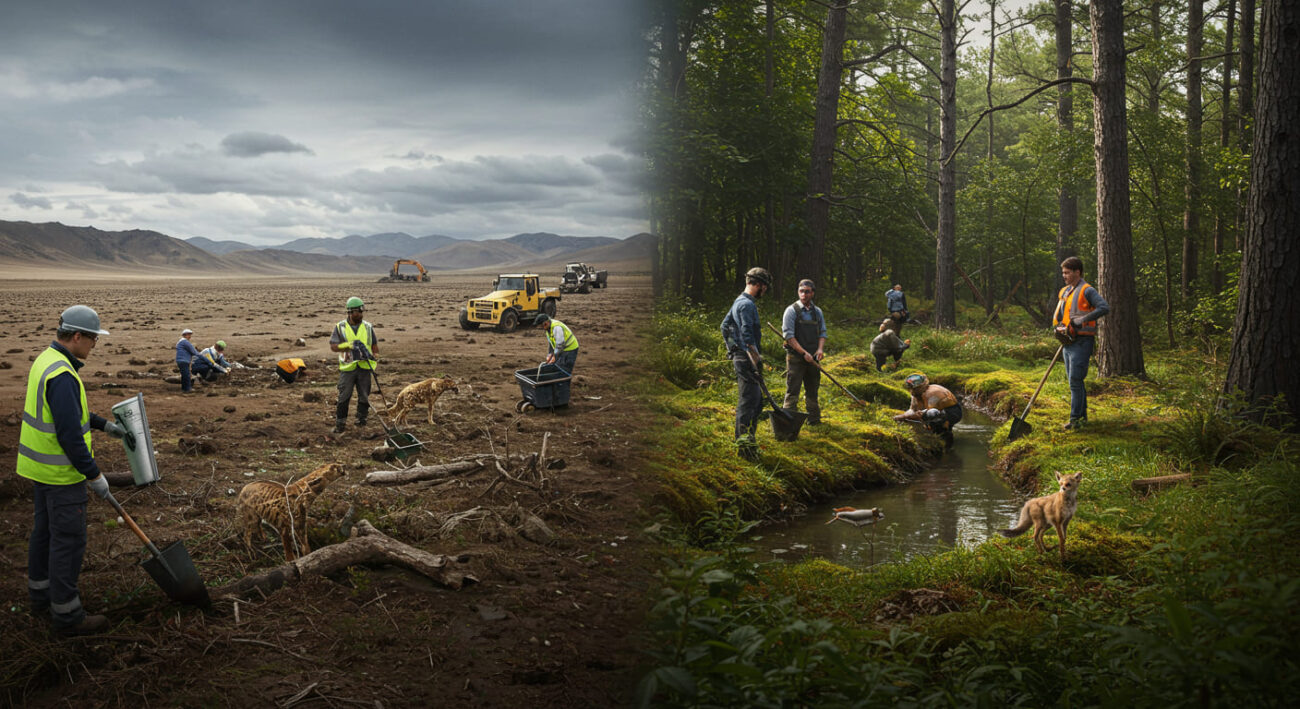
The Importance of Updating the Assessment of the Existing Environmental Status
Updating the Existing Environmental Status Assessment is a necessary step to ensure the accuracy of environmental information and keep pace with changes occurring in the surrounding environment. This update helps organizations and projects make sound and sustainable decisions that enhance environmental protection and reduce risks. Key reasons for updating the assessment include:
- Ensuring the accuracy and validity of the environmental data used
- Supporting sustainable planning for future projects
- Evaluating the effectiveness of current environmental management procedures and plans
- Reducing potential environmental risks and protecting natural resources
- Monitoring environmental changes resulting from human or natural activities
- Enhancing communication and transparency with stakeholders and concerned parties
- Improving organizations’ ability to comply with modern legal and regulatory requirements
What is an example of an Existing Environmental Status Assessment?
An example of environmental assessment within the framework of existing status evaluation is conducting an EIA study for a new power plant construction project. In this study, data related to the project’s potential impacts on the surrounding environment—such as air quality, water resources, wildlife, and the local ecosystem—is collected and analyzed.
Subsequently, an Operational Environmental Management Plan is prepared, containing the necessary measures to reduce these impacts and ensure project sustainability. This type of assessment helps in making informed decisions that balance economic development with environmental protection.
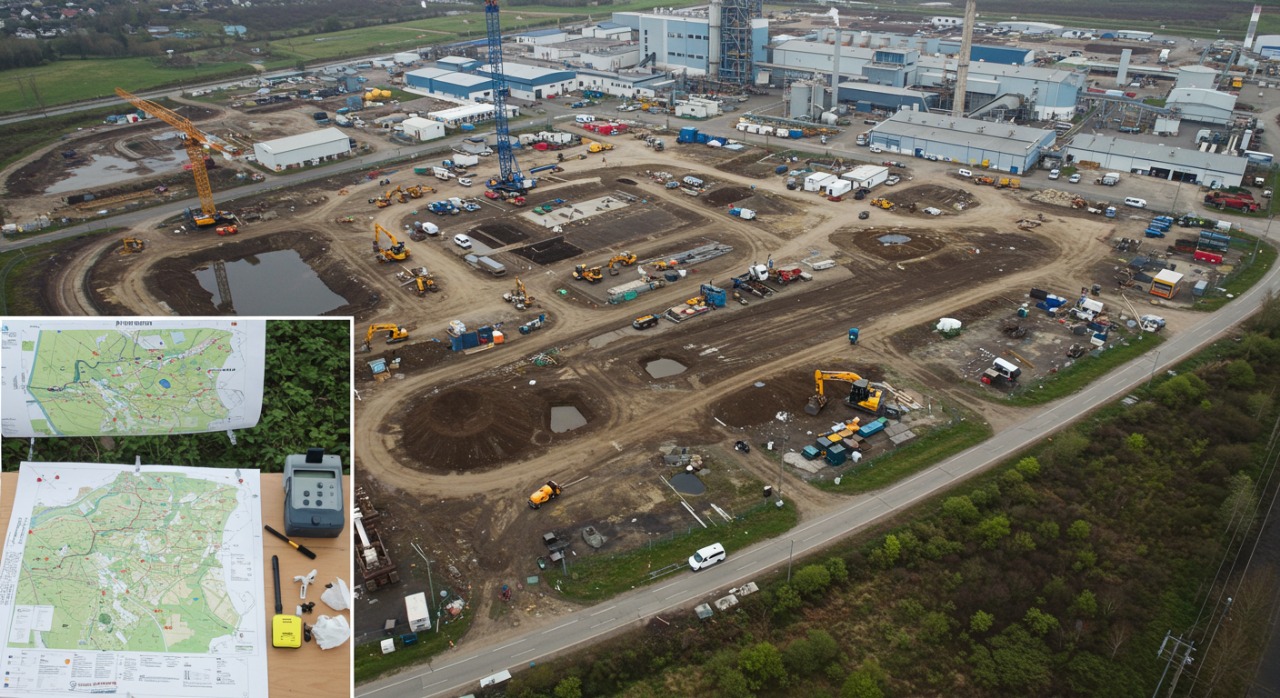
Assessment of the Existing Environmental Status
It is a comprehensive analysis of the environmental condition at a specific site before starting any project or activity. It aims to collect accurate data on environmental factors such as air quality, water, soil, biodiversity, and others, to determine the current status without any future impacts. This assessment forms a basis for understanding the surrounding environment and aids in proper planning.
Environmental Impact Assessment (EIA) Study
Assessment of the Existing Environmental Status goes beyond mere current data collection; it focuses on providing a clear basis for understanding the environmental condition at the project site and is an important preliminary step for gathering core information.
On the other hand, the EIA study, supervised by entities such as the Ministry of Commerce and the National Center for Environmental Compliance, conducts a comprehensive analysis of the potential impacts of any project or activity on the environment. This study aims to predict and accurately evaluate these impacts, in addition to establishing measures to reduce environmental damage before project implementation. The study also includes an evaluation of alternatives and the Operational Environmental Management Plan to ensure project sustainability and reduce negative environmental impact.
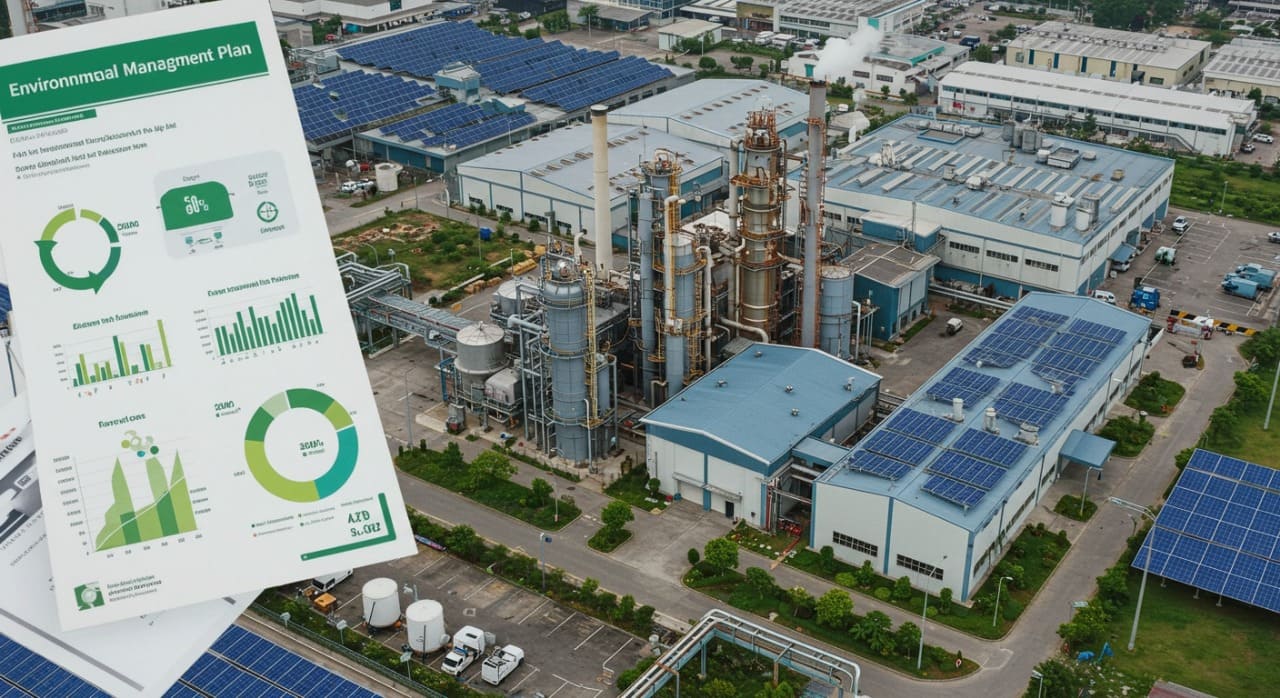
How is environmental impact assessed?
Environmental impact is assessed through a series of organized steps aimed at understanding and analyzing the project’s or activity’s impact on the surrounding environment. These steps include:
Gathering basic information about the current environment where the project will be implemented, such as air and water quality, biodiversity, and land use.
Analyzing how the project might affect various environmental elements, whether positively or negatively.
Determining the severity and impact of each environmental effect, and its spatial and temporal extent.
Establishing an Operational Environmental Management Plan containing the measures necessary to reduce or compensate for potential environmental damage.
Preparing a comprehensive report including evaluation results and recommendations, presented to competent authorities and stakeholders for review and approval.
Implementing a follow-up plan to ensure compliance with measures and achievement of environmental goals throughout the project implementation and beyond.
This comprehensive process ensures projects are developed responsibly and sustainably, minimizing negative environmental impacts as much as possible within the framework of assessing the existing environmental status.
Difference between Assessment of the Existing Environmental Status and Environmental Impact Assessment Study
The difference lies in the goal, scope, and timeline of each: The Existing Status Assessment focuses on the present condition (Baseline), while the EIA study predicts future impacts and establishes management strategies.
How is risk assessed?
Risk is assessed through methodical steps aimed at identifying, analyzing, and evaluating potential risks and their impact on the project, environment, or health and safety. These steps include:
Collecting information on all potential risks that may affect the project or system, whether environmental, operational, health, or financial.
Studying the nature of each risk and its likelihood of occurrence, in addition to determining its potential impact if it happens.
Comparing analysis results with accepted standards to determine the severity of each risk, and prioritizing risks based on probability and impact.
Developing strategies to reduce or manage risks, such as preventive measures, contingency plans, or mitigation procedures.
Monitoring risk management plan implementation and updating it periodically based on changing conditions or new results.
Risk assessment is an essential part of existing environmental status assessment and EIA studies, helping ensure project sustainability and minimizing negative impacts.
Common Challenges in Assessment of the Existing Environmental Status and How to Overcome Them
Existing environmental status assessment faces a number of challenges that may affect the quality and accuracy of results. It is important to identify these challenges and how to deal with them to ensure a comprehensive and reliable environmental assessment. Below are the most prominent challenges:
- Lack of accurate and reliable environmental data
- Difficulty in accessing sensitive environmental sites
- Complexity of analyzing multiple environmental interactions
- Limited financial and human resources
- Use of inappropriate or outdated data collection techniques
- Limited time available for conducting a comprehensive assessment
- Lack of specialized expertise in certain environmental fields
- Continuous environmental changes requiring constant data updates
In conclusion, updating the Assessment of the Existing Environmental Status by an accredited environmental consulting office remains a fundamental step for every institution aiming to enhance its sustainability and protect its surrounding environment. In our company, we possess the necessary experience and accreditations to provide integrated services in assessing the existing environmental status. We help you ensure assessment accuracy and achieve environmental compliance with the highest standards of quality and professionalism. Contact us today to take your steps with confidence toward a sustainable and responsible environmental future.