


The Environmental Measurement Law in Saudi Arabia is the cornerstone of environmental quality preservation and ensuring that facilities adhere to strict environmental standards. The law aims to regulate the monitoring and evaluation of air, water, and soil pollutants using modern environmental measurement devices, contributing to the protection of the environment and public health, and supporting sustainability programs.
Implementing Environmental Measurement Law is a necessity for every industrial and commercial facility, as it enables monitoring emissions and reducing environmental risks in accordance with the Saudi Environment Law and related executive regulations. The Sustainable Resources Office (SREC) is a strategic partner in providing specialized environmental consultations, conducting environmental measurements, and supporting facilities in environmental licensing and accurate scientific reports.
What is the Environmental Measurement Law in Saudi Arabia?
The Environmental Measurement Law in Saudi Arabia is the regulatory framework that determines how environmental pollutants are measured and monitored in the Kingdom, whether in air, water, or soil. The law aims to ensure facility compliance with approved environmental standards, in line with the Saudi Environment Law and the executive regulations of the environmental system. It is essential for supporting Environmental Licensing and tracking environmental violations.
The law relies on the use of advanced environmental measurement devices to monitor emissions and pollution. it allows industrial and commercial entities to improve their environmental performance while committing to environmental correction plans and submitting environmental sustainability reports periodically to ensure the protection of the environment and community.
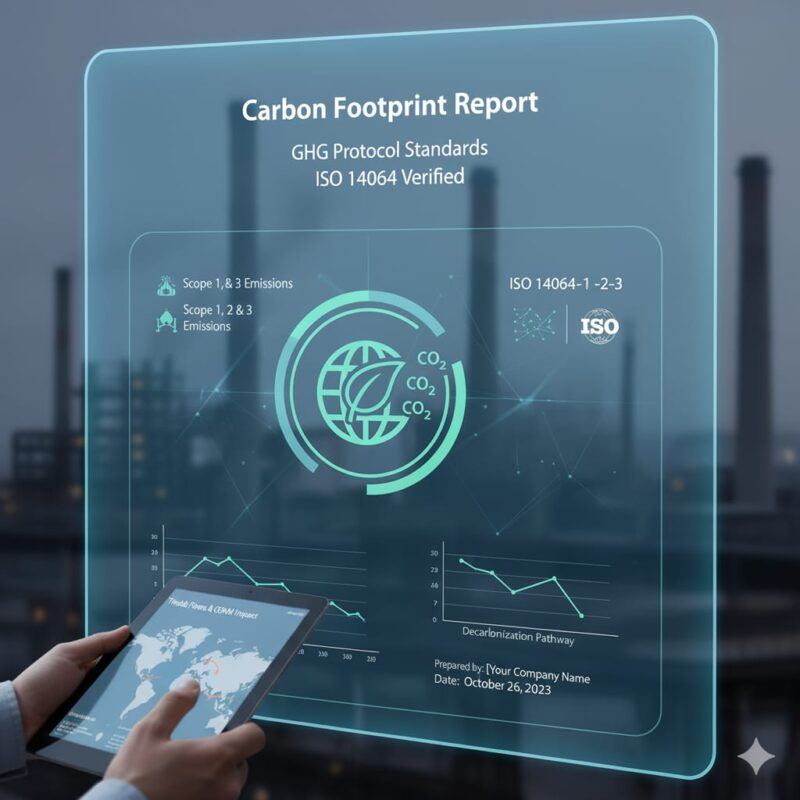
Importance of Environmental Measurement Law in Air Quality Monitoring
Environmental measurements are essential tools for monitoring air quality in Saudi Arabia, as they help determine the concentration of environmental pollutants both inside buildings and in the surrounding environment. Environmental measurement devices are used to monitor gases and fine particles resulting from stationary and mobile sources, supporting compliance with standards and Environmental Licensing.
These measurements provide accurate information for assessing industrial emissions and various pollution sources, enabling government agencies and companies to take preventive measures, improve environmental performance, and enhance the ability of facilities to submit environmental sustainability reports while ensuring compliance with approved laws and regulations in the Kingdom.
Devices Used in Environmental Measurements and Latest Technologies
Devices used in environmental measurements are vital elements for ensuring the accuracy of pollutant monitoring and air quality assessment according to the Environmental Measurement Law and environmental standards in Saudi Arabia. These devices include:
- Gas Measurement Devices: To monitor carbon dioxide, nitrogen oxides, carbon monoxide, and other industrial gases.
- Fine Particulate Matter Devices (PM2.5 and PM10): To determine the levels of suspended particles in indoor and outdoor air.
- Indoor Air Quality Analyzers: Measuring humidity, temperature, ventilation, and levels of volatile organic compounds (VOCs).
- Noise and Vibration Meters: To ensure a healthy and safe working environment.
- Environmental Data Management Systems: Collecting and analyzing chemical analysis results to provide the Environmental Record and sustainability reports accurately.
These modern technologies allow facilities and regulatory bodies to track environmental performance, support environmental licensing, and contribute to reducing risks to the environment and society, while facilitating the renewal of Class 1 and Class 2 environmental permits and monitoring continuous compliance.
Services Provided by the Environmental Measurement Office
The Sustainable Resources Office offers an integrated range of services aimed at ensuring compliance with environmental standards and raising sustainability levels, including:
- Conducting Environmental Measurements: Measuring air quality, emitted gases, fine particles, noise, vibrations, and lighting.
- Environmental Data Analysis: Collecting chemical and physical measurement results and preparing the Environmental Record and sustainability reports.
- Environmental Impact Assessment (EIA) Studies: For new or existing projects to support Obtaining a Commercial Environmental Permit or Environmental Licensing.
- Environmental Information Management System Design: To facilitate tracking and analyzing results in a precise scientific manner.
- Environmental Consultations and Solutions: Providing practical recommendations to reduce emissions and pollution and improve air quality.
- Device Calibration: Ensuring the accuracy and reliability of environmental measurement devices according to approved environmental standards.
- Training and Environmental Awareness: Training work teams on implementing environmental correction plans and monitoring environmental compliance.
We provide these services to companies and industrial entities with full support for compliance with the Environmental Measurement Law and the Saudi Environment Law, in addition to facilitating the Renewal of Class 2 and Class 1 Environmental Permits and Extracting Waste Recycling Permits effectively.
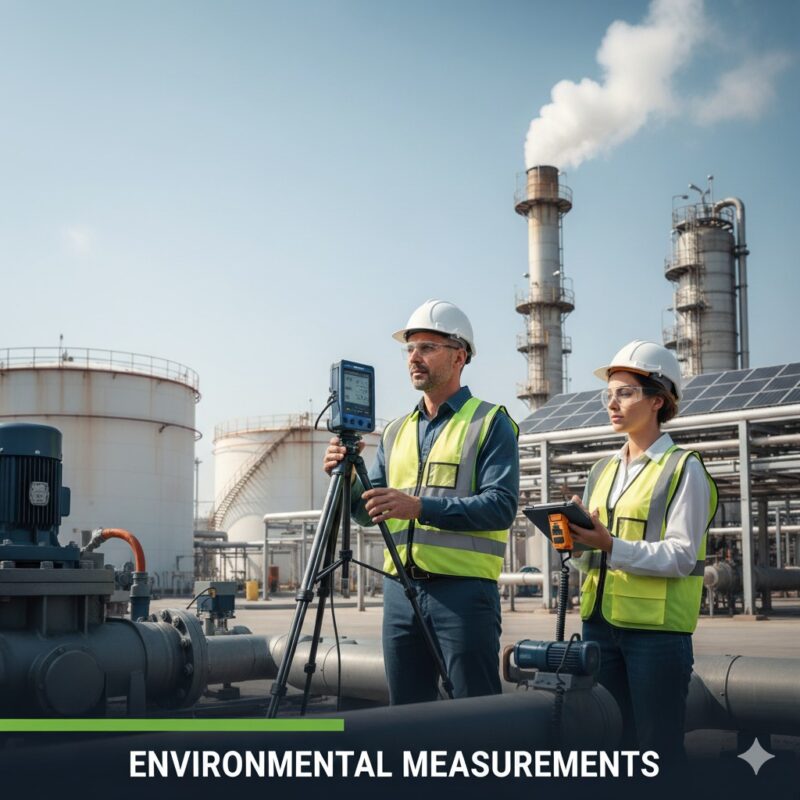
Indoor and Outdoor Environmental Measurements
Indoor and outdoor environmental measurements are a fundamental step to ensure air quality and maintain human health and the surrounding environment. Measurements include:
- Indoor: Monitoring the level of harmful gases, inhaled particles, noise, vibrations, lighting, temperature, and humidity to ensure a healthy environment for employees and visitors.
- Outdoor (Ambient Air): Measuring gas emissions from industrial sources and vehicles, suspended fine particles, chemical pollutants, and monitoring general air quality to ensure compliance with the Environmental Measurement Law and environmental standards.
The use of modern environmental measurement devices contributes to obtaining accurate data that helps in making effective decisions to reduce pollution, facilitating the renewal of Class 1 and Class 2 environmental permits, as well as supporting the extraction of commercial environmental permits and Waste Recycling Permits.
Types of Environmental Measurements Available in Offices and Labs
Types of environmental measurements available in offices and laboratories include an integrated set of tests aimed at assessing the quality of air, water, and environment inside and outside facilities, helping to comply with the Environmental Measurement Law and achieve environmental standards. Basic measurements include:
- Physical Measurements: Noise intensity, vibrations, light intensity, heat stress, temperature, and humidity.
- Chemical Measurements: Harmful gases inside and outside buildings, volatile organic compounds (VOCs), welding fumes, and gases resulting from industrial emissions.
- Particulate Measurements: Suspended particles PM10, PM2.5, inhaled particles, and dust pollutants from stacks and stationary sources.
- Water and Ventilation Measurements: Analysis of drinking water, sewage, industrial wastewater, and air speed and direction in the work environment.
- Environmental Records and Reports: Preparing the facility’s Environmental Record, periodic reports to support Renewal of Class 1 and Class 2 Environmental Permits, and data analysis to monitor environmental compliance and improve performance.
Importance of Having an Accredited Environmental Consulting Entity
Having an Accredited Environmental Consulting Entity is a fundamental step to ensure facilities comply with the Environmental Measurement Law and Saudi environmental regulations. It contributes to facilitating Environmental Licensing and extracting commercial environmental permits or renewing Class 1 and Class 2 permits.
The consulting entity provides the technical expertise to ensure environmental measurement accuracy and the effectiveness of Environmental Management Plans, reducing environmental and health risks. It also helps prepare reliable environmental sustainability reports and achieve compliance with environmental standards and scales.
The accredited consulting entity also contributes to providing innovative solutions for treating pollutants, analyzing Environmental Measurement data, and providing scientific recommendations for managing emissions and waste, ensuring the sustainability of industrial and commercial activities and enhancing the facility’s reputation before regulatory bodies. Cooperation with a reliable office like the Sustainable Resources Office guarantees accurate consultations and actionable results.

Common Questions About Environmental Measurement Law
What is the Environmental Impact Assessment Law?
The Environmental Impact Assessment law is a set of rules and procedures that require facilities and projects to identify the impact of their activities on the environment before starting them, aiming to limit environmental risks, protect natural resources, and ensure project compliance with Saudi environmental standards by submitting necessary studies and reports to competent authorities.
What are Environment Laws?
Environment laws are a set of legislations and regulations that organize environmental protection, including pollution prevention, waste management, air, water, and soil protection, industrial emissions monitoring, and setting requirements for facilities to ensure environmental compliance, ensuring natural resource sustainability and maintaining public health.
Environment Laws in Saudi Arabia?
Environment laws in Saudi Arabia include:
- Saudi Environment Law which regulates the protection of natural resources and environmental areas.
- Environmental Measurement Law for monitoring air, water, and soil quality.
- Executive Regulations of the Environment System which determine detailed procedures for facilities.
Compliance with environmental licensing and Environmental Compliance Violations to ensure the application of environmental standards in all industrial and commercial activities.
Contact us to learn all the details you want or call us at +966590721313. The office is accredited by the National Center for Environmental Compliance, the Ministry of Human Resources and Social Development, and the Ministry of Commerce to provide specialized services in the field of environment and sustainability.