


Qualification for Obtaining an Environmental Permit for Engineering Projects is the fundamental step that ensures the success and continuity of any project in accordance with approved environmental regulations and requirements. Today, an environmental permit is no longer a mere formality, but has become an essential condition for protecting the environment and avoiding violations and penalties that may obstruct the path of investment.
Here, the role of the Sustainable Resources Office stands out as the best accredited environmental consulting office in Saudi Arabia, providing integrated solutions that help companies and investors prepare environmental impact studies, fulfill regulatory requirements, and accelerate approval procedures with the competent authorities.
Through Qualification for Obtaining an Environmental Permit for Engineering Projects with a reliable environmental services company in Saudi Arabia, companies can not only execute their projects smoothly but also enhance their image as projects committed to sustainability standards and natural resource protection, which increases their competitiveness in local and regional markets.
Contact us now for Qualification for Obtaining an Environmental Permit for Engineering Projects for your company or facility from the Sustainable Resources Office for Environmental Consulting, accredited in Saudi Arabia, or call us at +966590721313. The Sustainable Resources Office for Environmental Consulting is accredited by the National Center for Environmental Compliance (NCEC), the Ministry of Human Resources and Social Development, and the Ministry of Commerce to provide specialized services in the field of environment and sustainability.

Importance of Qualification for Obtaining an Environmental Permit for Engineering Projects
Qualification for Obtaining an Environmental Permit for Engineering Projects is not just a procedural step, but a strategic path that ensures the sustainability of the project and protects it from penalties and legal risks. Qualification means that the project owner has met all environmental requirements for engineering projects, submitted the necessary environmental impact study, and obtained approval from competent authorities such as the National Center for Environmental Compliance (NCEC). Key benefits of qualification include:
- Avoiding environmental violations: Compliance with regulations and conducting the appropriate environmental audit study, whether comprehensive or within specialized environmental audit types, prevents fines or project suspension due to environmental infractions.
- Speeding up permit procedures: When all conditions are met in advance, the permit approval process moves faster and more smoothly.
- Enhancing project reliability: Projects that consider environmental standards, such as preparing an Environmental Management Plan (EMP) and implementing environmental rehabilitation plans, boost investor and customer confidence and demonstrate a true commitment to sustainability.
- Protecting natural resources: By minimizing the negative impact on the surrounding environment and ensuring the sustainability of resources.
What is an Environmental Permit for Engineering Projects?
An Environmental Permit for Engineering Projects is an official approval issued by environmental regulatory authorities, such as the National Center for Environmental Compliance (NCEC) in Saudi Arabia, allowing engineering or industrial projects to commence implementation after verifying their compliance with environmental requirements and regulatory standards.
An environmental permit for engineering projects differs from a commercial environmental permit in the nature of requirements and procedures. Engineering projects require a precise technical Existing Environmental Status Assessment due to their direct link to infrastructure, construction, or factories, whereas commercial permit requirements may be simpler in some cases.
Therefore, Qualification for Obtaining an Environmental Permit for Engineering Projects is a fundamental condition for avoiding penalties and ensuring the project aligns with development plans and applicable environmental requirements.

Steps and Procedures for Extracting an Environmental Permit for Engineering Projects
Obtaining an environmental permit for engineering projects requires several formal and methodical steps to ensure the project’s compliance with all environmental standards. This process starts from the Qualification for Obtaining the Environmental Permit, through preparing technical studies, to the approval by the competent authority.
Preparation of Environmental Impact Assessment (EIA) Study
Usually, during the preparation of an EIA, we find that projects under analysis fall into Category II or III. Therefore, a key requirement for the EIA is to prepare a Category II or Category III Environmental Audit Study to ensure a more accurate evaluation of the project’s impact on air, water, soil, and natural resources.
Application Submission to the Competent Authority
After completing the study, the application is officially submitted to the National Center for Environmental Compliance (NCEC) or the relevant state authority.
The application includes technical documents, environmental study reports, and project data, along with additional requirements such as Qualification for Obtaining a Waste Management Permit, Environmental Permit Qualification for Companies, or a Carbon Footprint Report depending on the activity type.
Payment of Environmental Permit Fees
Among the important procedures is the payment of environmental permit fees, which may vary depending on the project type, size, and nature of activities. For instance, environmental permit fees for engineering projects may differ from those for factories or commercial projects.
Review and Approval
The competent authority reviews the application to ensure the project complies with environmental requirements for engineering projects. If there are remarks, the file is returned to complete the deficiencies. If all conditions are met, final approval is issued and the environmental permit is granted.
Post-Permit Follow-up
Even after issuing the permit, the authority may mandate periodic follow-up to ensure the project complies with the environmental study’s recommendations. Continuous cooperation with accredited environmental consulting offices is an important factor here in avoiding any environmental violations for engineering projects.

Environmental Requirements for Engineering Projects in Saudi Arabia
The Kingdom of Saudi Arabia imposes a set of environmental requirements for engineering projects to achieve a balance between economic development and the protection of natural resources. These requirements are the primary reference for anyone seeking to obtain an environmental permit for engineering projects and vary by project type (construction, industrial, service). Key environmental requirements for engineering projects include:
- Conducting an Environmental Impact Assessment (EIA) study: No project can start without submitting an EIA for construction or industrial projects, illustrating the project’s impact on air, water, soil, and natural resources.
- Compliance with the Saudi Environmental Law for Projects: Saudi Arabia has established a legislative framework through the Saudi Environmental Law, requiring companies to apply sustainability standards and reduce emissions and pollution. This law is the legal reference for evaluating projects.
- Implementation of Saudi Environmental Permit Procedures: These procedures include submitting the application to the NCEC, paying fees, and attaching all required documents. Failure to comply may lead to project obstruction.
- Using eco-friendly technologies: Requirements mandate the use of systems and standards that reduce energy and water consumption, in addition to waste management according to approved methods.
- Adherence to emergency and risk management plans: Any engineering project is required to submit a plan for dealing with potential environmental accidents such as leaks or harmful emissions.
Compliance with these requirements protects the project from environmental violations, which could lead to financial fines, project suspension, or permanent license withdrawal. It also enhances the chances of rapid project approval by official authorities.
Due to the complexity of the procedures, many investors turn to accredited environmental consulting offices, such as our Sustainable Resources Office, which ensures project compliance with requirements from the early stages, reducing the likelihood of rejection or delay.
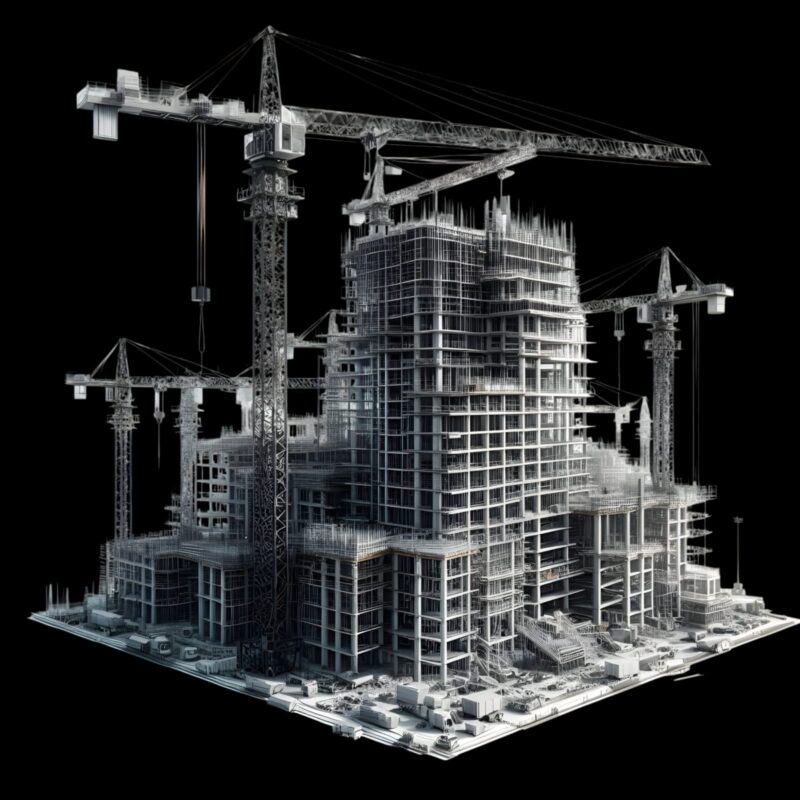
The Role of Accredited Environmental Consulting Offices
Many projects face difficulties in understanding the details of Saudi environmental permit procedures. Here comes the role of accredited environmental consulting offices that help in preparing files, conducting environmental tests, and providing recommendations that ensure project compliance with the Saudi Environmental Law for Projects.
Among these offices, the Sustainable Resources Office stands out as an ideal choice due to our extensive experience in:
- Preparing EIA studies for construction and industrial projects.
- Following up on accreditation procedures with official authorities.
- Providing specialized consultations to avoid environmental violations for engineering projects.
Qualification is now a proactive step that reflects project seriousness and ensures its continuity in a work environment compliant with sustainability standards.
Frequently Asked Questions about Qualification for Obtaining an Environmental Permit for Engineering Projects
What are the requirements for obtaining Category II environmental approval?
Requirements include an EIA for construction projects, fulfilling environmental requirements for engineering projects, and submitting the application via the NCEC. This is a fundamental step in Qualification for Obtaining an Environmental Permit for Engineering Projects.
How much are the environmental permit fees?
Environmental permit fees vary by project type and size; environmental licenses for factories are higher than those for small engineering projects. Compliance with procedures facilitates application approval and ensures obtaining the Environmental Permit for Engineering Projects without delay.
What are environmental permit offices?
They are accredited environmental consulting offices that provide technical support for preparing EIA studies and completing permit requirements. Notable among them is the Sustainable Resources Office, which saves time and effort in Qualification for Obtaining an Environmental Permit for Engineering Projects.
What is the difference between an environmental permit and an environmental license?
An environmental permit for engineering projects is a prior approval to start the project after an EIA study, while an environmental license relates to practicing the activity according to operational requirements. Both require qualification for the environmental permit and compliance with Saudi environmental permit procedures.