


The method of obtaining an environmental license is the first and essential step that any industrial, commercial, or even workshop facility must commit to before starting operations. This ensures that its activities comply with the approved environmental standards in the Kingdom of Saudi Arabia. This license aims to reduce negative impacts on the environment and achieve a balance between economic development and the protection of natural resources. Procedures include preparing the necessary environmental studies and submitting them to the competent authorities to obtain environmental licenses for factories, workshops, or operational environmental permits depending on the nature and size of the activity.
If you are looking for a specialized entity to facilitate all these steps for you, the Sustainable Resources Office (SREC) is the ideal choice to help you in the process of method of obtaining an environmental license in a professional and fast manner. With its extensive experience in preparing environmental studies and dealing with official authorities, the office ensures that your facility obtains the required license without delay, with full compliance with the regulations and environmental standards approved in the Kingdom.
Contact us to assist you in method of obtaining an environmental license for your company or facility from the Sustainable Resources Environmental Consultancy Office, accredited in Saudi Arabia, or call us at +966590721313

How to Omethod of obtaining an environmental license
The method of obtaining an environmental license requires following a series of organized steps that ensure the project’s compatibility with the environmental standards approved in the Kingdom of Saudi Arabia. These steps include all stages starting from determining the project’s environmental category until obtaining the final permit and following up on continuous compliance. Below is a detailed explanation of each step:
Step One: Determine the Environmental Category of the Project
The licensing process begins by determining the project’s environmental classification, as the type of study required depends on the extent of the activity’s environmental impact.
It is recommended to consult an accredited environmental consultant to determine the correct category (low, medium, or high environmental impact), in addition to reviewing the guiding manuals issued by the National Center for Environmental Compliance (NCEC) to ensure classification accuracy before moving to the next steps.
Step Two: Appoint an Accredited Environmental Consultant
Appointing an accredited environmental consultant or an accredited environmental consultancy office is a mandatory step in the process of method of obtaining an environmental license. The consultant is responsible for preparing the required studies and reports, collecting and analyzing environmental data, and writing reports according to approved standards.
The consultant must be officially accredited by the competent authorities. The Sustainable Resources Office (SREC) is one of the largest companies specialized in preparing environmental studies and permits in the saudi, and it also provides free consultations for those wishing to obtain an environmental license.
Step Three: Prepare the Environmental Study or Report
- After determining the environmental category, the preparation of the appropriate study for the nature of the project begins, whether it is:
- Environmental Compliance Report (Low Impact) for low-impact projects.
- Comprehensive Environmental Impact Assessment (EIA) (High Impact) for high-impact projects.
- Environmental Management Plan for activities that require continuous operational follow-up.
The study typically includes:
- A detailed description of the project.
- Assessment of potential environmental impacts.
- Mitigation, monitoring, and measurement plans.
- Emergency and rapid response plan.
Step Four: Upload the Request via the Electronic Platform
The request is officially submitted through the environmental permit portal of the National Center for Environmental Compliance, via the following steps:
- Create an account on the platform.
- Fill out the electronic application form.
- Attach all required documents (study, site plan, technical data).
- Pay the prescribed fees, if any.
Step Five: Review and Audit by Competent Authorities
The competent authorities review the request and ensure it meets all requirements. Modifications or additional information may be requested; here, the environmental consultant handles responding to inquiries and completing deficiencies to ensure the accreditation process is accelerated.
Step Six: Issuing Approval or the Environmental Permit
After meeting the requirements and the final review, the environmental license or environmental permit is issued electronically. The license includes the conditions and controls to be adhered to during all stages of operation to ensure the facility continues to meet environmental standards.
Step Seven: Continuous Commitment to Monitoring and Reporting
Responsibility does not end with obtaining the license; the facility must continue implementing environmental monitoring programs, which include:
- Periodic environmental measurements of air, water, and soil quality.
- Preparing annual or semi-annual environmental reports.
- Implementing environmental emergency plans and preparing for periodic inspections.

What is an Environmental License?
An environmental license is an official permit issued by competent authorities such as the National Center for Environmental Compliance, which allows facilities or projects to conduct their activities according to specific standards that ensure environmental protection and the sustainability of natural resources. This license is an essential step in the method of obtaining an environmental license for any industrial or service facility, whether it is a factory requiring an environmental license, a workshop requiring an environmental permit, or even an operational facility requiring an operational environmental permit before starting work.
An environmental license is required for every activity that may cause pollutant emissions to the air or water, produce hazardous waste, lead to changes in land use and natural resources, or cause auditory or light nuisance. This procedure aims to ensure that all activities adhere to environmental safety standards and reduce the negative impact of projects on the surrounding ecosystem.
Why should you obtain an environmental license?
method of obtaining an environmental license is a mandatory step imposed by regulations in the Kingdom to ensure that industrial, operational, or service activities are conducted according to approved environmental controls. The importance of this procedure is not limited to compliance with laws but extends to environmental, economic, and strategic aspects that enhance the facility’s sustainability and reputation in the market. Key reasons for obtaining an environmental license include:
- Mandatory legal commitment: Extracting an environmental license for factories or workshops is a fundamental condition before starting operation to ensure compatibility with applicable environmental systems.
- Avoiding fines and penalties: Obtaining the license protects the facility from environmental compliance violations and fines imposed by the National Center for Environmental Compliance when practicing activity without a permit.
- Ensuring environmental safety and public health: Through monitoring emissions and reducing pollutants, contributing to a healthy and sustainable work environment.
- Enhancing reputation and social responsibility: Adherence to the method of obtaining an environmental license shows the facility’s keenness to apply principles of sustainability reporting and transparency.
- Facilitating access to funding and government contracts: Possessing a valid operational environmental permit reflects the facility’s commitment to environmental standards, increasing its chances of obtaining official support or partnerships.
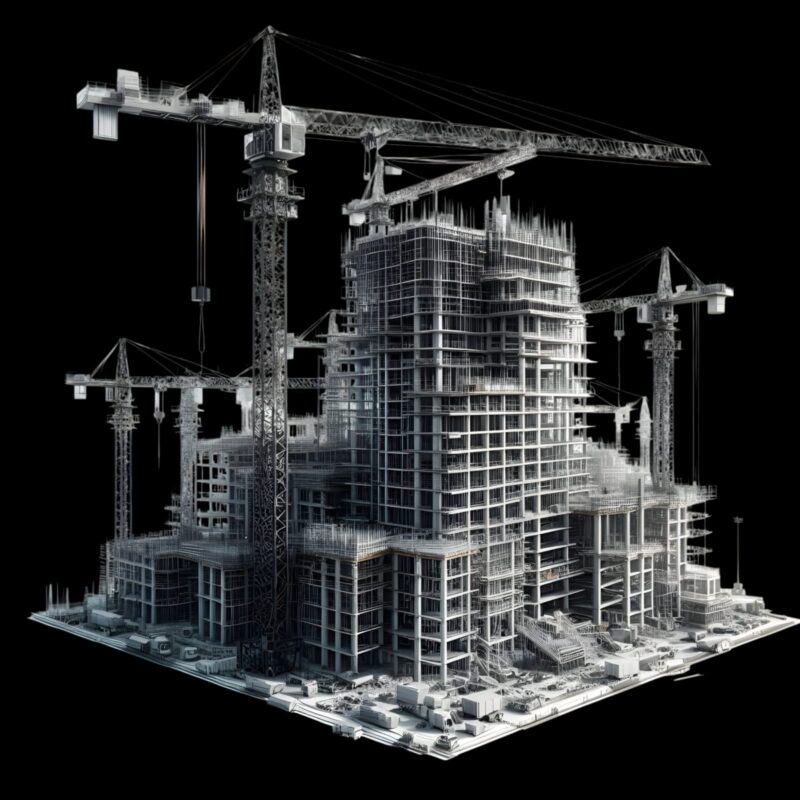
Entities Responsible for Environmental Permits in Saudi Arabia
The method of extracting an environmental permit in the Kingdom of Saudi Arabia is subject to the supervision of several government and regulatory entities to ensure that all industrial and operational projects comply with approved environmental standards. The entity responsible for granting the environmental license or operational environmental permit varies according to the type of activity and location of the facility, including the following entities:
- The National Center for Environmental Compliance (NCEC): It is the primary entity responsible for regulating and issuing environmental licenses and accrediting environmental impact studies.
- Consultancy offices accredited by the NCEC: Such as the Sustainable Resources Office, which handles the preparation of files and studies necessary to extract an environmental license for factories or a workshop environmental permit.
- Ministry of Environment, Water and Agriculture: Oversees granting environmental permits for agricultural activities and rural development projects with environmental impact.
- Industrial City Authorities: Such as MODON and the Royal Commission, responsible for issuing environmental licenses for projects located within their geographic scope to ensure compatibility with sustainable operation requirements.
Environmental Classification of Projects
Before starting the method of obtaining an environmental license, it is necessary to determine the environmental classification of the project, as this classification is a fundamental step to accurately determine the type of study required and license requirements. Projects in the Kingdom are classified according to their potential level of impact on the environment into three main categories:
- Low Environmental Impact Projects: Projects that do not cause significant environmental impacts and a simplified environmental compliance report may suffice.
- Medium Environmental Impact Projects: Require more detailed environmental assessment studies to ensure compliance with standards.
- High Environmental Impact Projects: Major activities requiring the preparation of a comprehensive and in-depth environmental impact assessment study before granting the environmental license or operational environmental permit.
This classification determines the type of study required, the technical requirements to be met, and the time required for application review by competent entities such as the National Center for Environmental Compliance.
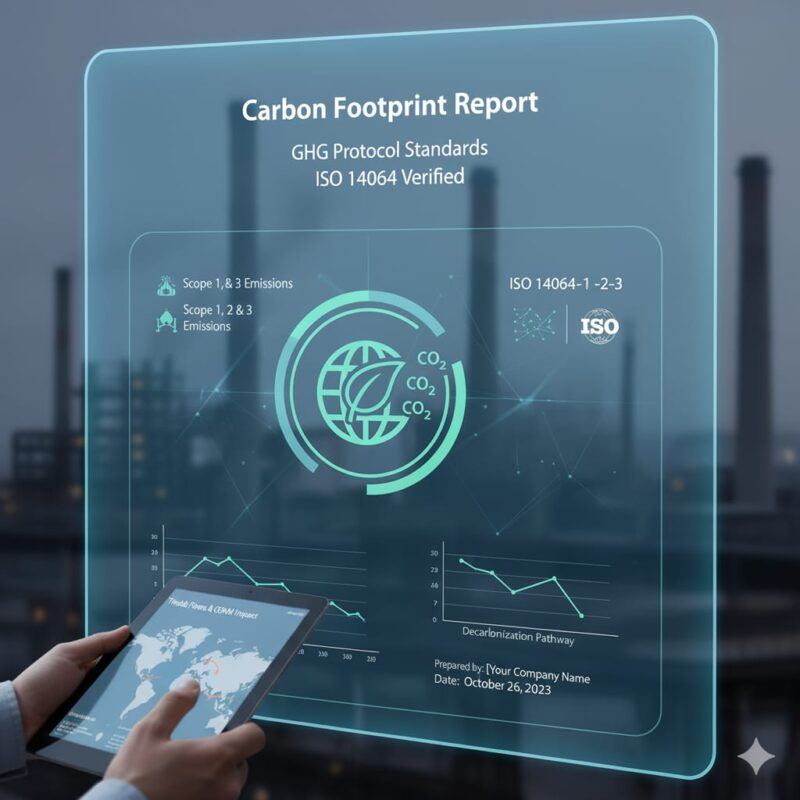
Basic Requirements for Extracting an Environmental License
The method of obtaining an environmental license in the Kingdom of Saudi Arabia requires meeting a set of basic requirements before submitting the official request to the National Center for Environmental Compliance. these requirements help in assessing the extent of the project’s commitment to environmental standards and ensure that licensing procedures run smoothly. Required documents and steps include:
- Preparing an accredited study or environmental report: The study must be prepared by an accredited environmental consultancy office such as the Sustainable Resources Office, which provides free consultations and specialized technical assistance in preparing environmental license files for factories and workshop permits.
- Site plan and geographic boundaries: Shows the project location, its area, and potential environmental impact points.
- Detailed description of the activity: Includes project nature, operation mechanism, and potential emission or waste sources.
- Material and emission data: Includes types of raw materials used, expected pollutants, and any by-products that could affect the environment.
- Waste management plan: Explains mechanisms for waste collection, storage, treatment, or safe disposal.
- Commercial register or industrial license (if applicable): To prove the facility’s regulatory status.
- Appointing an accredited environmental consultant: Such as the Sustainable Resources Office, to handle preparing technical studies and coordinating the application process to obtain the operational environmental permit with the highest standards of quality and commitment.
Key Tips for Facilitating the Acquisition of an Environmental License
To ensure that the process of obtaining an environmental license runs smoothly and quickly, a set of practices must be adhered to that facilitate the review process and increase the chances of obtaining approval from competent authorities without delay. Applying these guidelines helps you prepare a professional license file compatible with the required standards. Here are the top tips for facilitating the acquisition of an environmental license:
- Choose an accredited environmental consultant such as the Sustainable Resources Office.
- Prepare accurate and clear information about the project’s activity.
- Use official forms approved by the competent authorities.
- Respond quickly to any notes or additional requests.
- Plan ahead for the time required for study preparation and review.

Common Questions
Can an environmental license be renewed?
Yes, an operational environmental permit can be renewed, as it has a specified validity period that varies according to activity type. Renewal requires meeting updated conditions and providing proof of the facility’s commitment to approved environmental standards.
What is the penalty for operating a project without an environmental permit?
Operating any facility without an environmental license is one of the most common environmental compliance violations, and may result in high financial fines, or a total halt of activity, and it may even lead to the withdrawal of the industrial license in severe cases.
Can I prepare the environmental study myself?
No, an environmental study cannot be self-prepared, as competent authorities require it to be prepared by an accredited environmental consultant who possesses the experience and knowledge of formal technical and regulatory requirements to ensure the study is accepted and accredited without delay.