


Preparing an Environmental Management Plan represents today the cornerstone of any project or facility aiming to reduce its environmental impact and enhance the sustainability of its operations. Having integrated environmental management plans helps achieve a balance between economic development and the conservation of natural resources, reflecting the commitment of facilities to national and international standards.
These plans include several levels, including the Environmental and Social Management Plan (ESMP) which puts the community at the heart of attention, and the Operational Environmental Management Plan (OEMP) which focuses on practical application within worksites. Some projects also require the preparation of an Environmental Impact Management and Rehabilitation Plan model to ensure the mitigation of environmental risks and effective performance monitoring.
Adopting an Environmental Management Plan (EMP) is not just a regulatory obligation; it is a strategic investment that enhances the institution’s reputation and reduces costs resulting from pollution and environmental risks. Hence the role of specialized consulting offices like the Sustainable Resources Office, which provides practical and integrated solutions to support facilities in preparing and implementing these plans with efficiency and professionalism.
Contact us now for a free consultation from the Sustainable Resources Office for Environmental Consulting, accredited in Saudi Arabia, regarding Preparing an Environmental Management Plan, or call us at +966590721313. The Sustainable Resources Office for Environmental Consulting is accredited by the National Center for Environmental Compliance (NCEC), the Ministry of Human Resources and Social Development, and the Ministry of Commerce to provide specialized services in environmental fields.
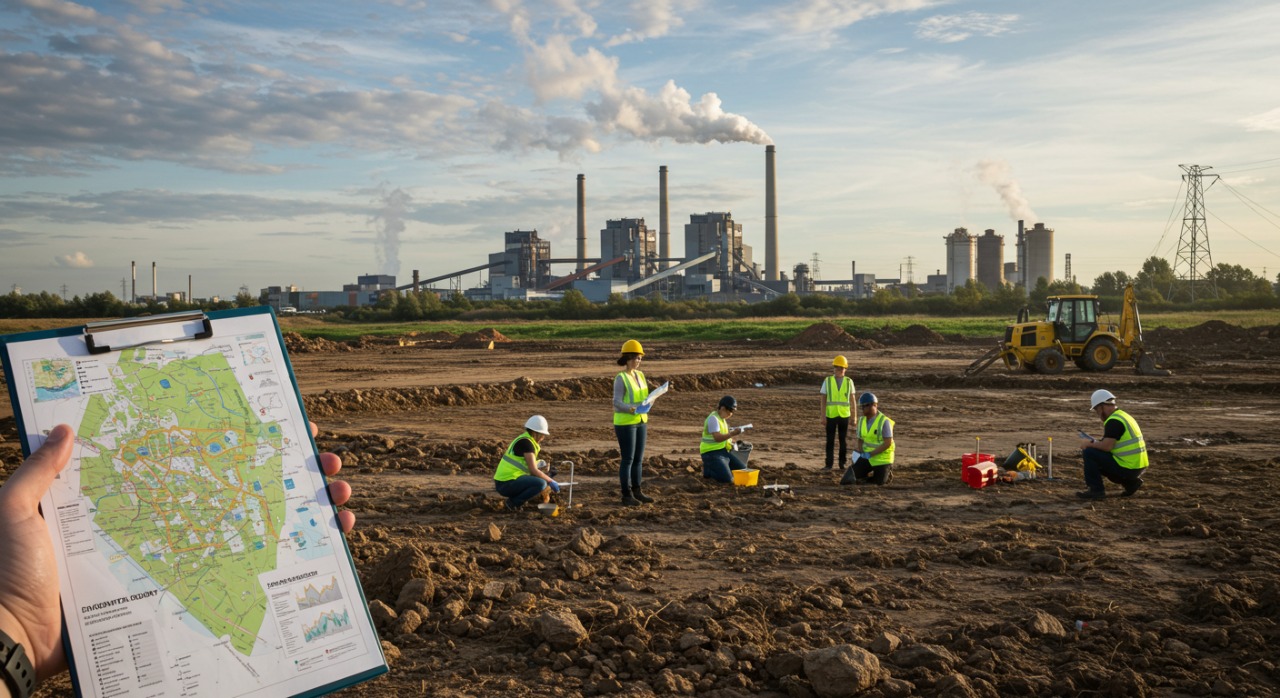
What is Preparing an Environmental Management Plan?
Preparing an Environmental Management Plan refers to a systematic document prepared with the aim of identifying and analyzing the potential environmental impacts of various projects or activities, and establishing the necessary procedures to mitigate or address them. This plan is an essential tool in the field of sustainability, helping companies and government agencies ensure their compliance with environmental laws and regulations, in addition to enhancing their social image.
Preparing an Environmental Management Plan is not limited to technical aspects; it also includes considering the social dimension through what is known as the Environmental and Social Management Plan, as well as the operational aspect covered through the Operational Environmental Management Plan. In many cases, an Environmental Impact Management and Rehabilitation Plan model is developed to ensure the remediation of affected sites and risk mitigation.
In general, the Environmental Management Plan (EMP) is considered an integrated reference that guides companies toward effective and sustainable management of their operations, ensuring a balance between development requirements and environmental protection.
What are the elements of Preparing an Environmental Management Plan?
Preparing an Environmental Management Plan is a fundamental step to ensure the success of any project and achieve a balance between development and the protection of natural resources. This plan relies on a set of interconnected elements that help institutions manage environmental and social risks effectively. The most important of these elements can be summarized in the following points:
- Identifying the potential environmental impacts of the project and assessing their severity on the natural environment.
- Establishing environmental management plans that include preventive and remedial measures to mitigate negative effects.
- Integrating the social dimension through an Environmental and Social Management Plan to address the project’s impact on local communities.
- Focusing on practical implementation through an Operational Environmental Management Plan that clarifies procedures within worksites.
- Developing an Environmental Impact Management Plan and rehabilitation model to repair potential damage and ensure the restoration of sites to their original state.
Having a comprehensive Environmental Management Plan (EMP) with these elements enables institutions to enhance environmental compliance, reduce risks, and achieve long-term sustainability.
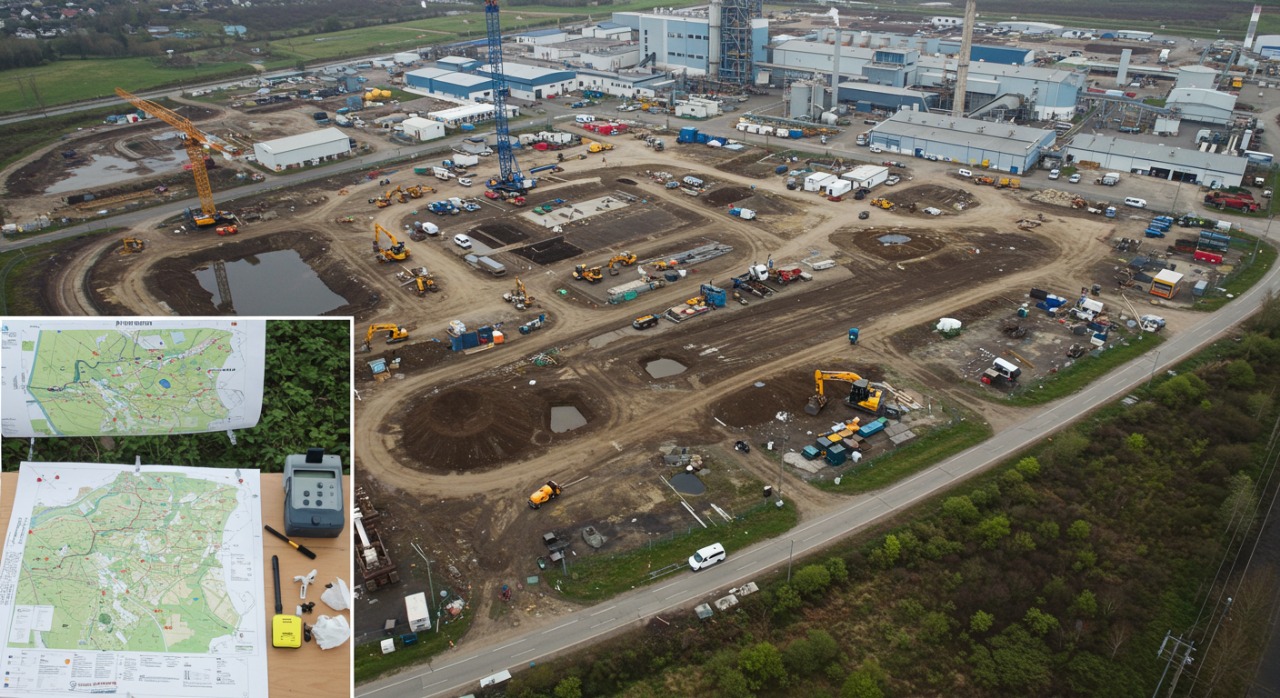
What is an environmental strategy?
An environmental strategy refers to the comprehensive framework that defines an institution’s direction in managing its natural resources and minimizing the impact of its activities on the environment. It serves as a roadmap that helps companies make sustainable decisions aligned with national and global development goals. This strategy is built on scientific and regulatory foundations stemming from the preparation of an environmental management plan, including risk assessment, policy setting, and identifying environmental performance indicators.
The strategy integrates multiple elements such as the Environmental and Social Management Plan that considers the community dimension, and the Operational Environmental Management Plan focusing on implementation within facilities, alongside preparing an Environmental Impact Management and rehabilitation plan model for projects with high environmental sensitivity. Thus, the environmental strategy becomes an effective tool for ensuring sustainability and compliance with regulations.
Because designing and implementing such strategies requires specialized expertise, relying on consulting bodies like the Sustainable Resources Office gives institutions a competitive edge, as the office provides integrated solutions helping them transform their environmental plans into practical practices that achieve tangible results.
How do you write an Preparing an Environmental Management Plan?
Preparing an Environmental Management Plan is not just a written document; it is a systematic process aimed at ensuring a balance between development requirements and environmental protection. To draft a successful and effective plan, a set of basic steps should be followed, which can be summarized as follows:
- Identifying potential environmental impacts of the project through accurate data collection and analysis.
- Establishing environmental management plans that include preventive measures to reduce risks and remedial solutions to face challenges as they occur.
- Preparing an Environmental and Social Management Plan to address the impact on local communities and enhance development benefits.
- Drafting an Operational Environmental Management Plan that defines daily procedures within facilities to ensure actual implementation.
- Developing an Environmental Impact Management and Rehabilitation Plan model in case of environmental damage, to ensure affected sites are restored to their natural state.
Writing an integrated Environmental Management Plan (EMP) requires specialized practical experience and strategic vision, which the Sustainable Resources Office provides through its consulting services, helping institutions transform these plans from mere documents into practical tools that achieve compliance and sustainability.
Why is preparing an environmental management plan an important step?
Preparing an environmental management plan represents one of the fundamental pillars for any project aiming to achieve sustainable development without harming the environment. This plan is not limited to compliance with environmental legislation; it provides a practical framework helping institutions identify and manage environmental impacts with high efficiency. The importance of the plan lies in the fact that it:
Ensures compliance with local and international regulations through well-defined environmental management plans.
Reduces potential risks thanks to an Operational Environmental Management Plan focusing on daily activities within facilities.
Enhances relationships with local communities through an Environmental and Social Management Plan that considers the human and social dimension of projects.
Provides practical solutions for damage remediation through an Environmental Impact Management and Rehabilitation Plan model that restores affected sites to their natural state.
Through an integrated Environmental Management Plan (EMP), companies can improve their image before customers and investors, and reduce the costs of environmental risks in the long term, making it an indispensable step for any facility seeking sustainability and success.
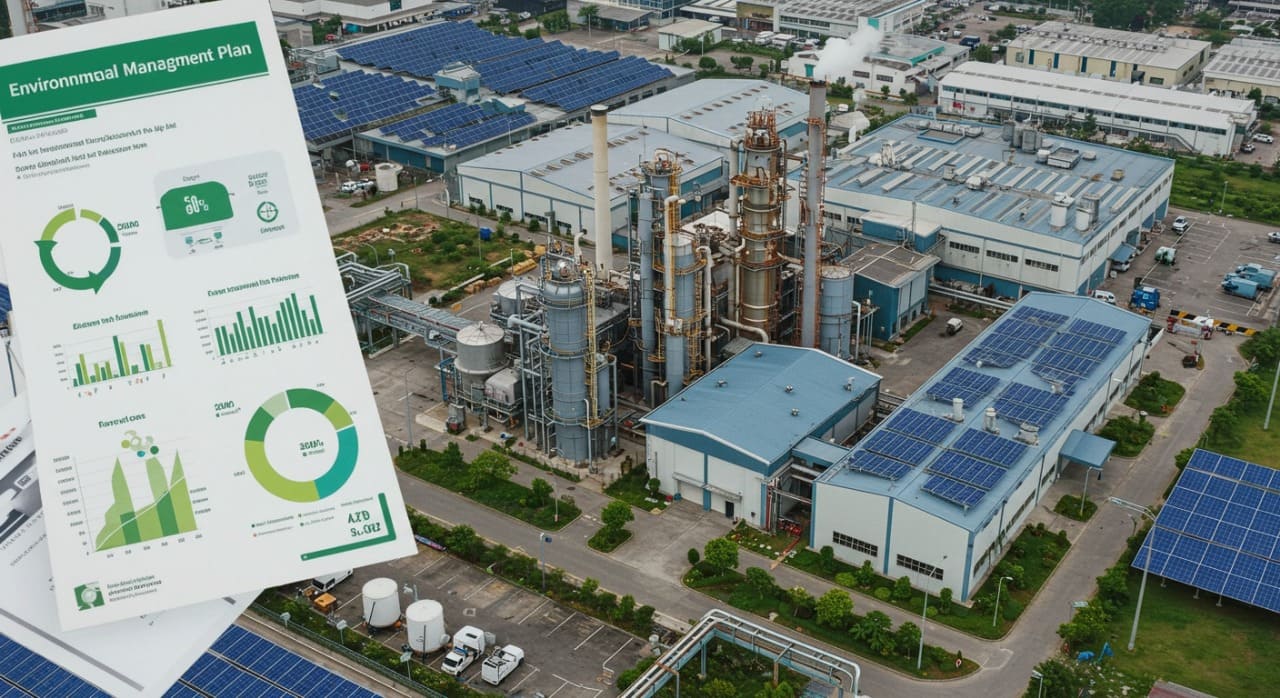
What is an example of an environmental plan?
When discussing Preparing an Environmental Management Plan, a common practical example is the plan prepared when implementing a new industrial project near a residential or environmentally sensitive area. In this case, the plan focuses on several key axes such as:
- Monitoring air and water quality to ensure they meet environmental standards.
- Establishing an Operational Environmental Management Plan to define daily procedures within the facility to limit pollution.
- Developing an Environmental and Social Management Plan to minimize impact on the local community and ensure stakeholder participation.
- Including an Environmental Impact Management and Rehabilitation Plan model in case damage occurs, such as land reforestation or treatment of contaminated soil.
This example illustrates that an Environmental Management Plan (EMP) is not just a document, but an integrated tool aimed at organizing operational activities and ensuring compliance with local and international legislation.
What are examples of ecosystems?
When discussing the preparation of an environmental management plan, it is important to understand the nature of the ecosystems these plans seek to protect and balance. Ecosystems represent the natural environments where living organisms interact with non-living elements, forming the basis upon which Environmental and Social Management Plans and Operational Environmental Management Plans are built. Notable examples of ecosystems include:
Terrestrial ecosystems such as forests and deserts.
Aquatic ecosystems such as rivers and lakes.
Marine ecosystems including coasts and coral reefs.
Agricultural ecosystems resulting from human interaction with land for cultivation.
Urban ecosystems where humans coexist with infrastructure in cities.
Recognizing the diversity of these examples helps institutions when preparing an environmental management plan (EMP) or an environmental impact management and rehabilitation plan model to establish customized solutions that suit the nature of the target site and achieve environmental sustainability.