


The Rehabilitation Plan for Degraded Sites is a crucial step in addressing the impacts of pollution resulting from industrial, mining, or urban expansion activities. This plan aims to restore lost environmental functions and improve soil and water quality, contributing to the safe and sustainable reuse of land.
By applying scientific methodologies and advanced treatment techniques, degraded sites can be transformed into environmental and economic assets that support sustainable development efforts in the Kingdom of Saudi Arabia for Vision 2030 and other countries.
Contact us now for a free consultation and your customized Rehabilitation Plan for Degraded Sites from the Sustainable Resources Office for Environmental Consulting, accredited in Saudi Arabia.
What is the Rehabilitation Plan for Degraded Sites?
The Rehabilitation Plan for Degraded Sites in Saudi Arabia is a technical and strategic document prepared to address environmental damage in sites exposed to pollution or degradation due to human activities or natural disasters. This plan aims to restore the site’s environmental and health functions, ensuring its safe and sustainable use in the future.
The plan typically includes a precise assessment of the site’s condition, an analysis of the types and extent of pollutants, and the proposal of a remediation plan using techniques such as biological or physical treatment. The plan must align with the Executive Regulation for the Environmental Rehabilitation of Degraded Sites and Remediation of Polluted Sites, and is subject to review and approval by the National Center for Environmental Compliance (NCEC) and the Ministry of Commerce.
In cases where no environmental degradation exists at the activity site, the owner may be required to submit a “Declaration Form of Absence of Degraded or Polluted Sites at the Activity Location” as part of the regulatory environmental compliance requirements.
What Does Environmental Rehabilitation Mean?
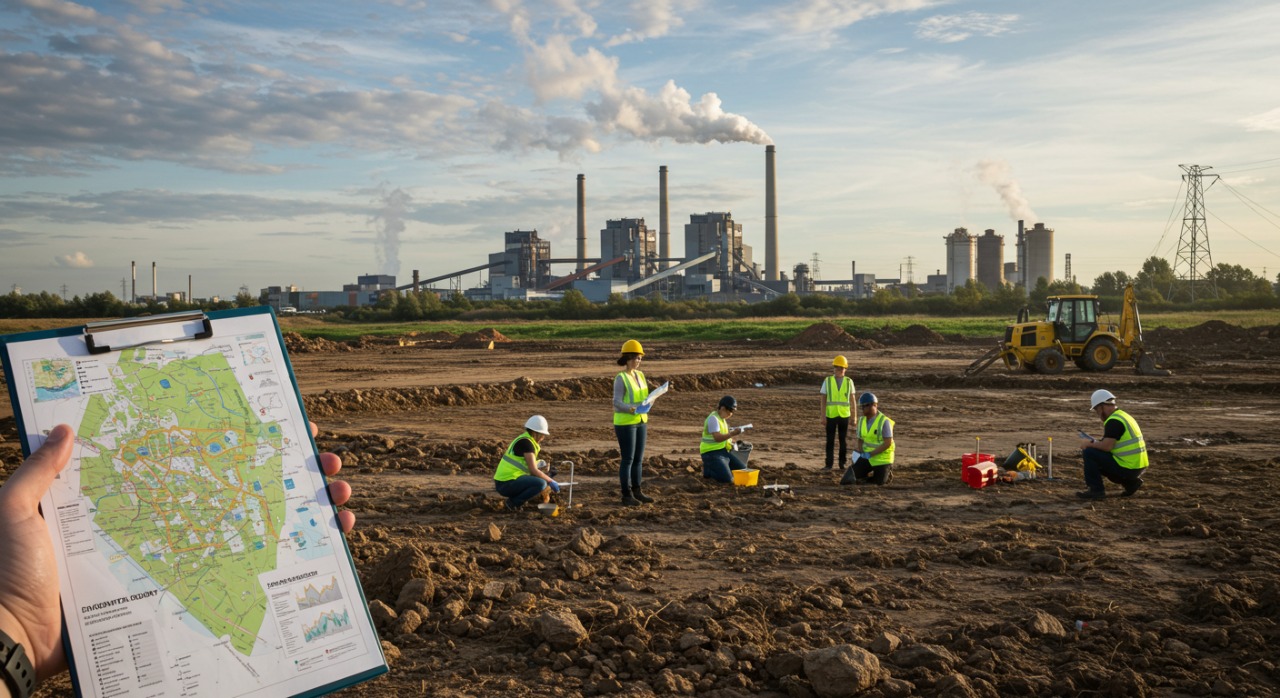
Environmental rehabilitation refers to a set of scientific and engineering procedures aimed at restoring a degraded site to an environmentally and health-safe state, whether by returning it to its original nature or preparing it for sustainable future uses. The Rehabilitation Plan for Degraded Sites is an essential part of this concept, applied to lands damaged by industrial activities, mining, or urban expansion.
This plan falls under the rehabilitation regulations approved by the National Center for Environmental Compliance, which requires environmental assessment, remediation of contaminated soil, and compliance with the Executive Regulation for the Environmental Rehabilitation of Degraded Sites and Remediation of Polluted Sites. In some cases, a declaration form of absence of degraded or polluted sites must be submitted among the environmental compliance documents for new projects.
You can learn more about the accredited bodies and the services of the Sustainable Resources Office for Environmental Consulting.
Visit our About Us page or Contact Us now, and we will get back to you.
What is the Planning Process for the Rehabilitation of Degraded Sites?
The planning process for environmental rehabilitation is the most critical phase in implementing a Rehabilitation Plan for Degraded Sites. it relies on a thorough analysis of the site’s condition and determining the nature of pollutants and the level of degradation. Planning begins with collecting environmental data, analyzing soil and water samples, and then identifying appropriate technical options such as bioremediation or physical treatment.
This process must comply with the Executive Regulation for the Environmental Rehabilitation of Degraded Sites and Remediation of Polluted Sites and is implemented based on the requirements of the rehabilitation regulations approved by the NCEC. Consideration is also given to submitting the declaration form of absence of degraded or polluted sites for modern projects.
At this stage, the contaminated site remediation plan is developed, a timeline for implementation is set, and performance indicators are established to monitor the effectiveness of the treatment, ensuring the restoration of the site’s environmental functions and reducing long-term environmental risks.
Importance of Preparing a Rehabilitation Plan for Degraded Sites
A Rehabilitation Plan for Degraded Sites is an essential element in mitigating the effects of environmental pollution and achieving sustainable land use. These plans are executed according to the Executive Regulation for the Environmental Rehabilitation of Degraded Sites and Remediation of Polluted Sites under the supervision of the NCEC. Its importance is evident in the following points:
- Reducing environmental and health risks resulting from pollutants.
- Restoring site functions such as soil and water quality.
- Complying with the requirements of regulatory and environmental authorities.
- Repurposing affected sites for safe development activities.
- Enhancing the economic value of the site after treatment.
- Supporting sustainability and achieving environmental rehabilitation goals.
How to Create a Rehabilitation Plan for Degraded Sites in Saudi Arabia?
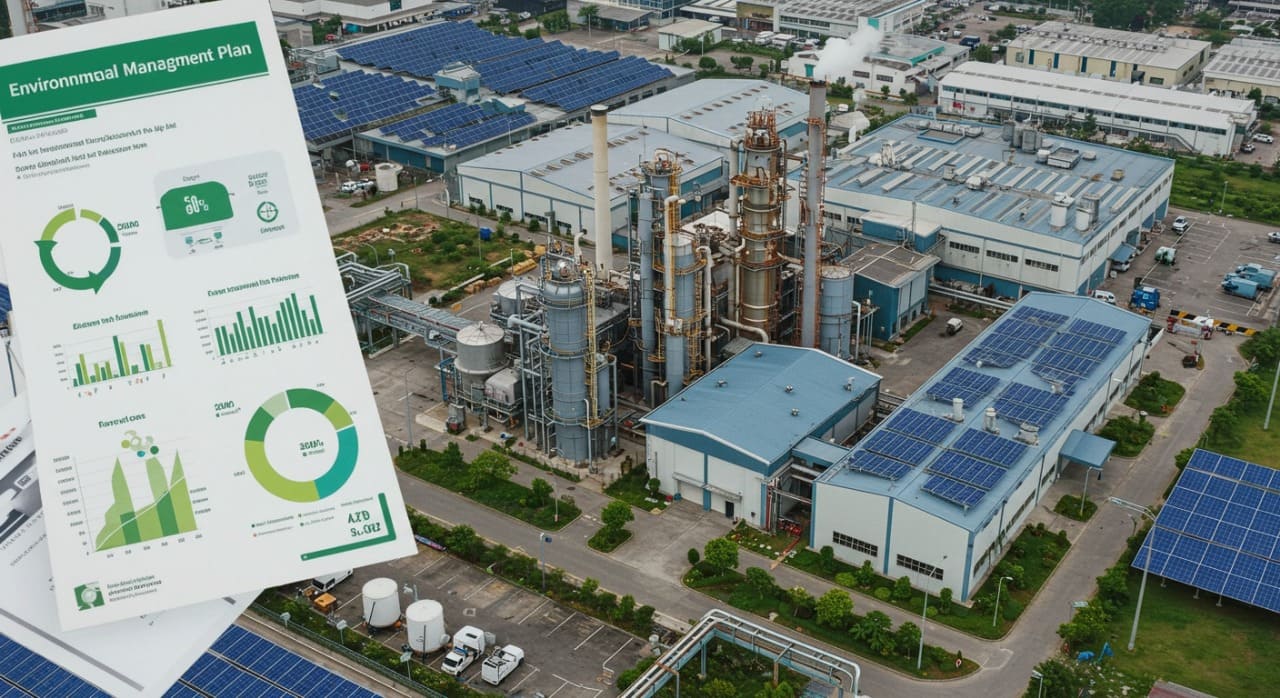
The Rehabilitation Plan for Degraded Sites is built on practical and systematic steps that ensure pollution remediation and the restoration of the land’s environmental value. This is done in accordance with the Executive Regulations and NCEC oversight, including the following:
- Initial assessment to identify the type of degradation, pollution sources, and site characteristics.
- Comprehensive analysis of soil, water, and air to determine the type and concentration of pollutants.
- Assessment of environmental and health risks and their impact on surrounding systems.
- Choosing appropriate treatment techniques (biological, phytoremediation, chemical, physical).
- Preparing the polluted site remediation plan with the necessary procedures and techniques.
- Defining the timeline, budget, and distribution of executive roles.
- Establishing a plan for periodic monitoring and evaluation to measure the effectiveness of rehabilitation.
- Submitting the declaration form of absence of degraded or polluted sites (if required) among the environmental compliance documents.
How is the Rehabilitation Plan for Degraded Sites process carried out?
The environmental rehabilitation process is carried out through well-studied steps starting from a comprehensive Environmental Impact Assessment of the site, identifying the type of degradation and level of pollution, choosing appropriate treatment techniques, and finally monitoring the effectiveness and sustainability of the treatment. The Rehabilitation Plan for Degraded Sites relies on clear standards set by the Executive Regulation for the Environmental Rehabilitation of Degraded Sites and Remediation of Polluted Sites, subject to review and approval by the National Center for Environmental Compliance (NCEC).
The process includes removing or treating pollutants, working on improving soil and water characteristics, and replanting vegetation cover while ensuring pollution does not return. Project owners are required to submit official documents such as the declaration form of absence of degraded or polluted sites in some cases to ensure transparency and full compliance.
What are the Steps for the Rehabilitation of Degraded Sites
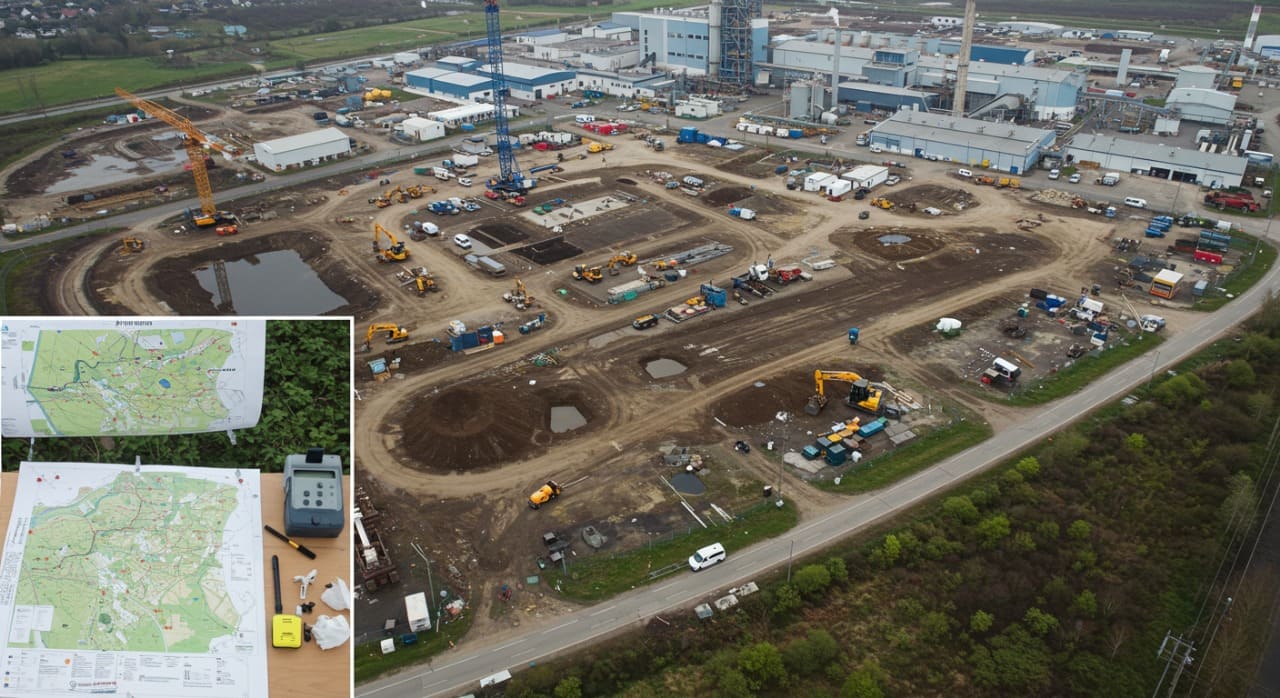
- Conducting an initial assessment to define site boundaries and the type of degradation.
- Collecting and analyzing soil, water, and air samples to detect pollutants.
- Assessing the environmental and health risks associated with the pollution.
- Preparing the Rehabilitation Plan for Degraded Sites according to the site nature and pollutant types.
- Selecting appropriate treatment techniques (such as bio, physical, or phytoremediation).
- Implementing specified treatments according to the approved rehabilitation regulations.
- Reshaping the site, improving soil, and restoring vegetation cover.
- Preparing an environmental monitoring plan to follow up on implementation results and evaluate performance.
- Submitting required documentation such as the declaration form of absence of degraded or polluted sites when needed.
- Reviewing and approving the plan by the National Center for Environmental Compliance to ensure compatibility with the Executive Regulation for the Environmental Rehabilitation of Degraded Sites and Remediation of Polluted Sites.
What is the difference between Qualification and Rehabilitation?
The terms qualification and rehabilitation are used in an environmental context to refer to efforts to improve or restore the functions of affected sites.
What is Environmental Qualification
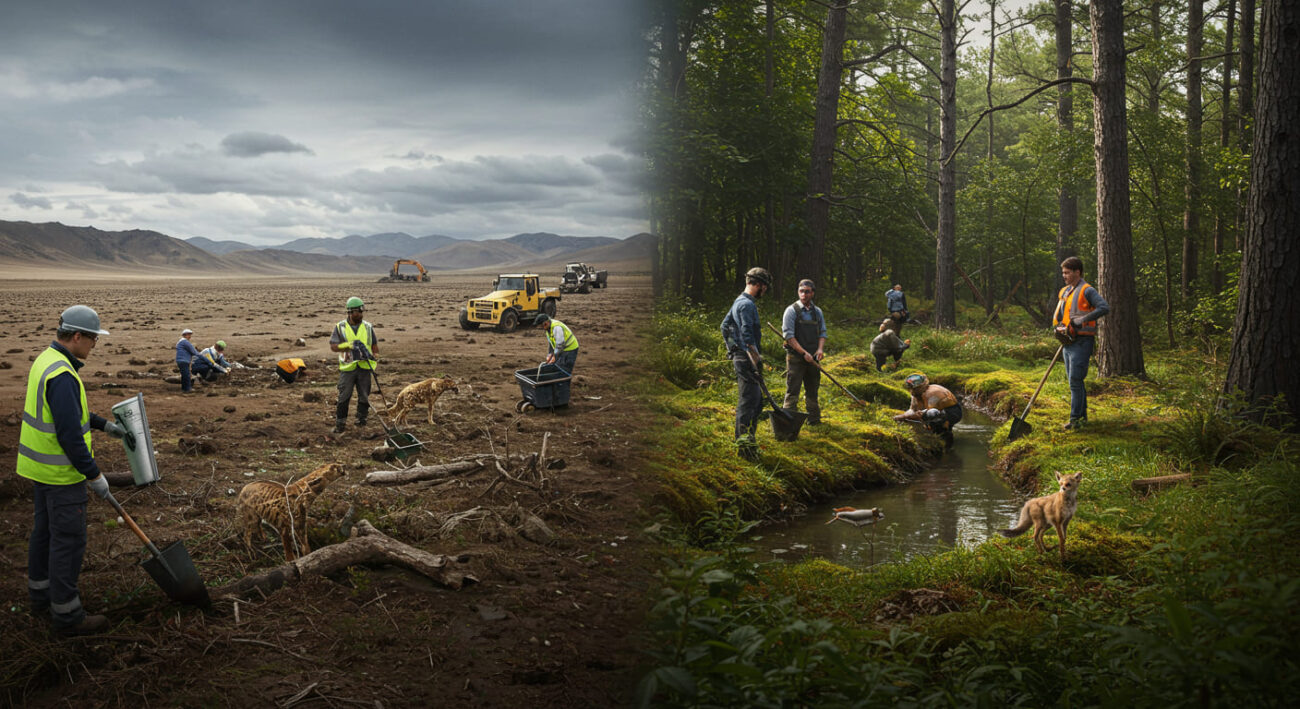
It means improving a natural site or developing it for the first time to become suitable for environmental or developmental use. It is often applied to lands that have not undergone major degradation but need development or organization.
Environmental Rehabilitation
Refers to the treatment and restoration of a site that has actually undergone degradation or pollution, whether as a result of industrial, urban activities, or disasters. Here, the Rehabilitation Plan for Degraded Sites comes as a primary tool aimed at removing pollutants and restoring environmental functions as specified by the Executive Regulation for the Environmental Rehabilitation of Degraded Sites and Remediation of Polluted Sites, under the supervision of the NCEC.
Consequently, rehabilitation deals with existing damage, while qualification focuses on improving or preparing the site before any degradation occurs.