
Our Services
Current environmental status assessment
We conduct a comprehensive field study to assess your facility’s current environmental status, identify gaps against regulatory requirements, and set a clear corrective plan toward full compliance.
What the service includes
- A site visit assessing sources of environmental impact
- Gap analysis against regulatory requirements
- Identifying and prioritizing environmental risks
- Preparing a corrective action plan and timeline
In-depth guide
Everything you need to know
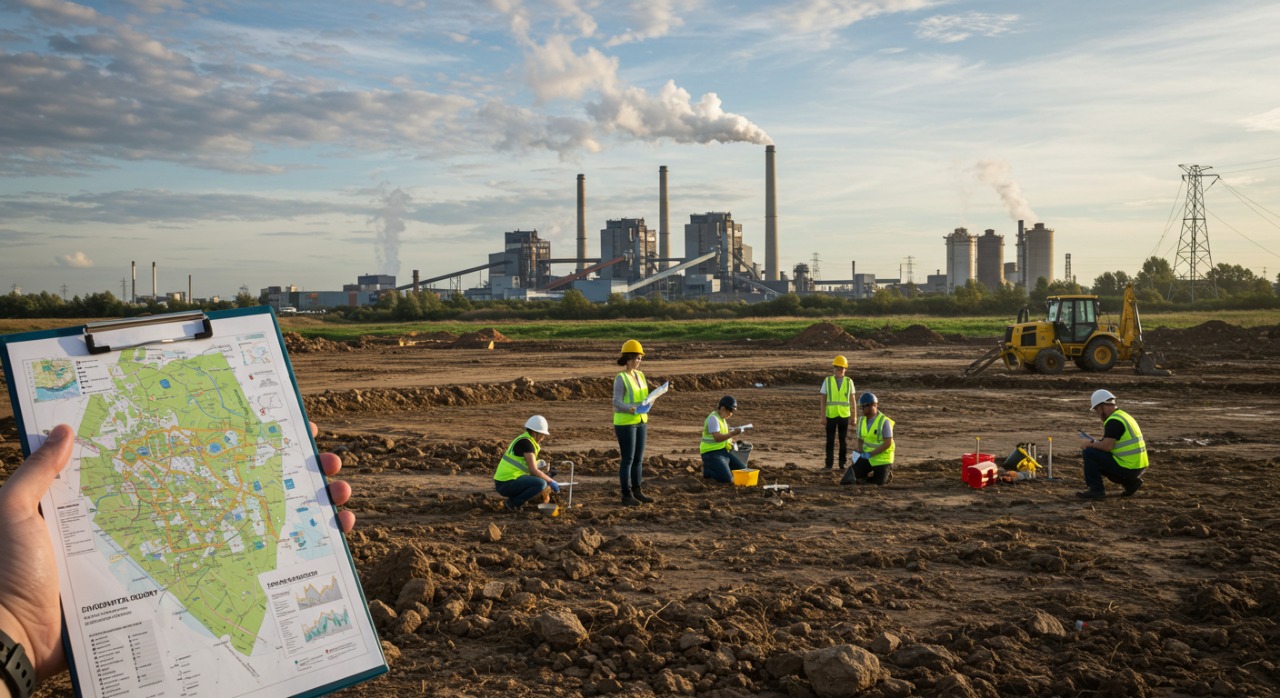
What is the Assessment of the Existing Environmental Status?
Assessment of the Existing Environmental Status is the process of analyzing and studying the current state of the environment in a specific area, aiming to understand the environmental condition in terms of air quality, water, soil, biodiversity, and land use. This assessment is used as a basis for determining the potential impacts of any new project or activity on the environment and helps in establishing appropriate environmental management plans to preserve natural resources and reduce environmental risks.
What is Environmental Risk Assessment?
Environmental risk assessment is a vital part of the Assessment of the Existing Environmental Status process. it aims to identify and analyze potential risks that may affect the environment as a result of project activities or various operations. This assessment includes an Environmental Impact Assessment (EIA) study, where potential negative impacts on air, water, soil, and wildlife, as well as human health, are examined.
Based on the results of the risk assessment, an Operational Environmental Management Plan (OEMP) is established, containing procedures and strategies to mitigate and control these risks, helping organizations comply with environmental standards and ensure effectively sustainable operations.
The Importance of Updating the Assessment of the Existing Environmental Status
Updating the Existing Environmental Status Assessment is a necessary step to ensure the accuracy of environmental information and keep pace with changes occurring in the surrounding environment. This update helps organizations and projects make sound and sustainable decisions that enhance environmental protection and reduce risks. Key reasons for updating the assessment include:
Ensuring the accuracy and validity of the environmental data used
Supporting sustainable planning for future projects
Evaluating the effectiveness of current environmental management procedures and plans
Reducing potential environmental risks and protecting natural resources
Monitoring environmental changes resulting from human or natural activities
Enhancing communication and transparency with stakeholders and concerned parties
Improving organizations’ ability to comply with modern legal and regulatory requirements
What is an example of an Existing Environmental Status Assessment?
An example of environmental assessment within the framework of existing status evaluation is conducting an EIA study for a new power plant construction project. In this study, data related to the project’s potential impacts on the surrounding environment—such as air quality, water resources, wildlife, and the local ecosystem—is collected and analyzed.
Subsequently, an Operational Environmental Management Plan is prepared, containing the necessary measures to reduce these impacts and ensure project sustainability. This type of assessment helps in making informed decisions that balance economic development with environmental protection.
Assessment of the Existing Environmental Status
It is a comprehensive analysis of the environmental condition at a specific site before starting any project or activity. It aims to collect accurate data on environmental factors such as air quality, water, soil, biodiversity, and others, to determine the current status without any future impacts. This assessment forms a basis for understanding the surrounding environment and aids in proper planning.
Environmental Impact Assessment (EIA) Study
Assessment of the Existing Environmental Status goes beyond mere current data collection; it focuses on providing a clear basis for understanding the environmental condition at the project site and is an important preliminary step for gathering core information.
On the other hand, the EIA study, supervised by entities such as the Ministry of Commerce and the National Center for Environmental Compliance, conducts a comprehensive analysis of the potential impacts of any project or activity on the environment. This study aims to predict and accurately evaluate these impacts, in addition to establishing measures to reduce environmental damage before project implementation. The study also includes an evaluation of alternatives and the Operational Environmental Management Plan to ensure project sustainability and reduce negative environmental impact.
You may also find useful

Other services

National Waste Management Center permits

Environmental permitting

Environmental Impact Assessment (EIA) studies

Environmental Management Plan (EMP) development

Environmental register development & management

Periodic environmental reporting

Comprehensive environmental remediation